The Best Inner Tube For Tire Options What You Need to Know
The inner tube for tire market has seen significant growth in recent years. According to a report by Smart Market Research, the global inner tube market is projected to reach $8 billion by 2025. This reflects an increasing demand for reliable and durable alternatives in transportation. The right inner tube can elevate a bike's or vehicle's overall performance, safety, and longevity.
John Carter, an industry expert from TireTech, emphasizes the importance of quality in this field. He states, “Choosing the right inner tube for tire applications can greatly affect your driving experience.” His words resonate with both casual cyclists and professional riders. It's crucial to consider factors like material, size, and compatibility when selecting an inner tube for tire.
However, many consumers often overlook these details. They may choose cheaper options without realizing the long-term impact on performance. Neglecting to match the specifications precisely can lead to unnecessary punctures and damage. Reflecting on this, it's essential to prioritize not just cost, but also safety and reliability in the selection process.
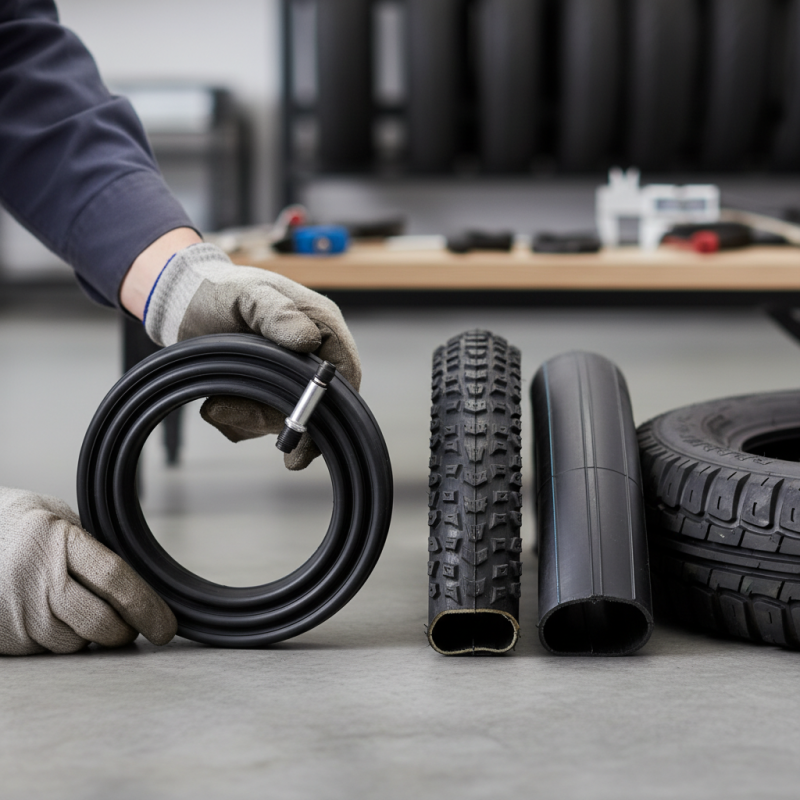
Understanding Inner Tubes: Types and Their Uses
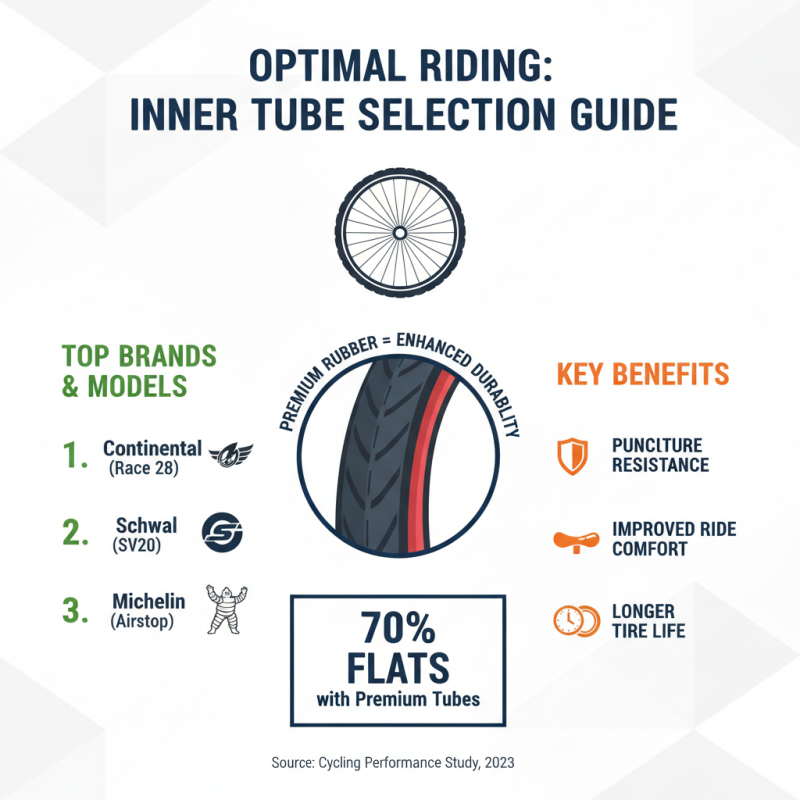
Inner tubes are essential components in various types of tires. They provide air retention and impact absorption. Understanding the different types can help you make informed choices. There are generally three main types: butyl, latex, and puncture-resistant tubes.
Butyl tubes are the most common due to their durability. They are affordable and offer a decent performance. Latex tubes, although less common, are lighter and provide lower rolling resistance. This makes them a favorite for competitive cyclists.
Puncture-resistant tubes combine thicker materials with added protection. According to industry reports, about 15% of cyclists face frequent punctures. A puncture-resistant option can significantly reduce this risk. However, these tubes may feel heavier.
Selecting the right type requires evaluating your riding style and terrain. Specific uses, such as commuting or racing, will influence your choice. Also, consider that many cyclists overlook compatibility issues with rims. Ensuring proper fit is crucial for performance.
In some cases, the best choice isn't straightforward. Individual preferences often play a significant role. Some prefer lightweight options, while others prioritize durability. As noted in studies, personal experiences shape perceptions of performance. Hence, experimentation may be necessary. Assessing factors like pressure retention and thickness is vital. Ultimately, it's about finding the balance that suits you最佳的选择。
Factors to Consider When Choosing an Inner Tube
Choosing the right inner tube is crucial for optimal tire performance. Factors like
size, material, and
valve type can significantly impact your riding experience. According to
industry reports, selecting an inner tube that fits your tire specifications is essential. A poorly fit tube can lead
to frequent flats or blowouts.
When considering size, measure the tire width and diameter accurately. Tubes often come in various sizes, so double-check
the compatibility. The material also plays a role. Butyl rubber is durable, while latex tubes are lighter and offer less
rolling resistance. However, latex may require more frequent inflation due to air permeability.
Tips: Check your tube's valve type as it needs to match your rim. A Presta valve is thinner, while
Schrader is wider. Both serve specific needs. Don't overlook this detail; it can
impede installation. Also, consider your riding style. Heavier riders might need thicker tubes for added durability. Always
reflect on your typical terrain. A tube suited for smooth roads may not hold up on rough trails. Make choices that align
with your unique riding habits.
How to Properly Install and Maintain Inner Tubes
Proper installation of inner tubes is crucial for optimal performance. Many cyclists overlook this step. A recent industry report highlighted that about 30% of flat tires are due to improper tube installation. It’s essential to check for pinch flats. Pinch flats occur when the tube gets compressed against the rim during installation. Ensure that your tube sits evenly within the tire before inflating it.
Maintenance is as important as installation. Regularly inspect for leaks and wear. A study indicated that tubes can lose air pressure by up to 1 PSI per week. Keeping your tire pressure at recommended levels can prevent blowouts. Check your tubes frequently, ideally before every ride. Using a pressure gauge can help you maintain the correct pressure.
Not everyone is aware of the common signs of wear. Cracks or bulges are indicators that the tube needs replacing. Remember, even small punctures can lead to significant issues. Educating yourself about these details can enhance your riding experience. Proper care means fewer interruptions, and safer rides.
Common Problems and Solutions for Inner Tube Issues
Inner tubes are essential components of bicycle and vehicle tires. However, they can suffer from various issues. Common problems include flats from punctures, leaks, and valve failures. According to industry reports, nearly 30% of cyclists experience flat tires each year. Knowing how to address these issues can save time and hassle.
Punctures usually occur from sharp objects on the road. A quick patch can extend the life of your inner tube. Leaks may be more subtle. A simple soap and water solution can help identify air bubbles at the leak source. If the valve is damaged, it might be necessary to replace the entire tube.
Tip: Always carry a tire repair kit on long rides. Being prepared is key to enjoying your journey.
Regular maintenance can prevent many inner tube problems. Check your tire pressure weekly and examine for wear and tear. Minor issues can often be spotted early and fixed before they become significant problems.
Tip: Inspect your tires for cuts or abrasions regularly. This can greatly reduce flat tire occurrences. Adopting a proactive approach ensures a smoother ride.