10 Best Inner Tubes for Global Buyers in 2026
Choosing the right Inner Tube in 2026 is less simple than matching a wheel size. Global buyers must compare rubber quality, valve design, wall thickness, temperature resistance, and manufacturing consistency. A tube that performs well on smooth European roads may struggle on rough gravel routes or in tropical heat. Packaging also matters. Folded tubes should arrive without deep creases, pinholes, or brittle valve stems.
Bicycle mechanic and technical writer Sheldon Brown offered a useful reminder: “The tube is not the tire.” His point remains practical. The tire meets the road, but the Inner Tube controls air retention and supports daily reliability. During product evaluation, experienced riders should check valve alignment, seam finishing, inflation behavior, and overnight pressure loss. Small details matter. A poorly finished valve can fail beside a quiet roadside.
This guide examines ten Inner Tube options for different global needs, including commuting, touring, mountain biking, cargo bicycles, and emergency replacement. It considers sizes, materials, puncture resistance, compatibility, and buyer feedback. Laboratory claims are helpful, but real-world use can expose weaknesses. Some tubes feel dependable yet arrive with inconsistent dimensions. Others seem ordinary but hold pressure for weeks. That uncertainty deserves attention. Prices, availability, and regional shipping conditions may also change during 2026. Therefore, the best choice is not always the cheapest or most heavily advertised product. It is the tube that fits correctly, matches the riding environment, and remains dependable after repeated inflation. Mistakes still happen. Careful inspection reduces them.
What Inner Tubes Are and How They Fit Different Bicycle Wheels
An inner tube is a flexible, airtight ring inside a bicycle tire. It holds the air that supports the rider and absorbs small road shocks. The tube must match the tire’s diameter and width. A tube marked 700 x 25–32 fits tires within that width range. A 26-inch mountain tube will not fit a 700c road wheel. The printed size can be confusing. ISO/ETRTO measurements provide a more reliable reference.
Check the tire sidewall before purchasing. Measure the wheel only when markings are damaged or unclear. Valve type also matters. Presta valves are narrow and common on performance wheels. Schrader valves are wider and often used on utility bicycles. Valve length matters. Deep rims need longer valves for easy inflation. A mismatch can make a suitable tube frustrating to use.
Tubes with wider size ranges are convenient, but they may stretch more during installation. Narrow tubes can feel lighter, yet they demand accurate sizing. Gravel, city, road, and mountain tires often require different widths and pressures. An incorrect tube may fold inside the tire, causing a pinch flat. Check the inside of the tire for glass, wire, or sharp grit. Inflate the tube slightly before fitting it. This reveals twists. Pinched tubes fail quickly. Even careful mechanics occasionally rush this step, and that mistake remains surprisingly common.
How to Evaluate Inner Tube Quality, Compatibility, and Value
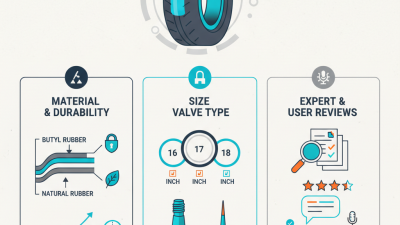
A reliable inner tube starts with correct sizing, not a low price. Match the tube’s marked size with the tyre’s ETRTO dimensions, such as 37-622. Traditional inch labels can vary between markets. ISO 5775 and the ETRTO Standards Manual provide stronger references for international compatibility. Check the valve type, valve length, rim hole, and intended pressure range. A perfect fit should sit smoothly, without folds near the valve.
Material quality needs closer inspection. High-grade butyl should feel uniform, flexible, and free from thin patches, bubbles, or rough seams. Inflate a sample before large orders. Leave it overnight and measure pressure loss with the same gauge. Small leaks often hide around the valve base. I have seen packaging look excellent while the rubber felt strangely brittle. That detail deserves attention.
Value includes failure rates, shipping volume, and traceability. The 2024 Grand View Research bicycle-market report estimated the global bicycle market at about USD 76.7 billion in 2023, with continued growth expected through 2030. More bicycles mean more replacement demand, but also more inconsistent supply. Ask for batch codes, inspection records, and storage conditions. Avoid tubes stored beside heat or direct sunlight. A lower unit price becomes expensive after repeated roadside failures. This is easy to underestimate. A practical comparison should calculate cost per reliable service month, not cost per tube.
Ten Best Inner Tubes for Different Riding Needs in 2026
Ten Best Inner Tubes for Different Riding Needs in 2026
The best inner tube depends on riding conditions, wheel size, and repair habits. Outdoor Industry Association’s 2024 participation report recorded 53.2 million bicycle participants in 2023. That large user base includes commuters, tourists, racers, children, and cargo riders. Their needs are not interchangeable.
For daily commuting, choose a standard butyl tube with the correct tire width and valve length. It tolerates frequent stops and simple roadside repairs. Touring riders should consider thicker walls or reinforced models, especially on rough shoulders carrying loaded panniers. For road cycling, a lightweight tube can reduce rotating weight, but it demands careful installation. Fit beats fashion. Gravel riders need tubes matching wider tires and lower pressures, while mountain bikers benefit from stronger construction against thorns and sharp stones. A compact spare tube is essential for long rides. Pressure matters.
The ISO 5775 tire-and-rim sizing system helps buyers avoid dangerous size mismatches. Still, printed tire markings can be confusing, particularly when older inch labels appear beside newer ETRTO measurements. Check both numbers before purchasing. High-pressure road tubes require compatible pressure ratings, while cargo and utility bicycles need load-appropriate products. I also inspect valve stems for rim depth and carry a patch kit, even with a fresh spare. That choice is not perfectly rational, but roadside experience changes preferences. Independent testing and manufacturer specifications remain more reliable than marketplace reviews alone.
How to Choose, Install, Store, and Maintain an Inner Tube
Choosing an inner tube starts with exact size, not price. Match the tire’s diameter and width markings with the tube package. Check the valve type and length, especially with deep rims. A tube that fits loosely may twist during inflation. A trusted repair manual or supplier specification should confirm the pressure range.
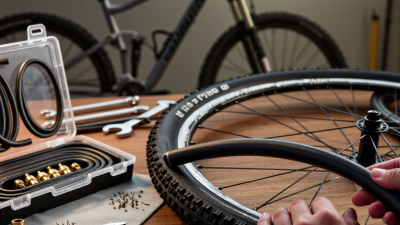
Installation needs patience. Remove sharp debris from the tire and inspect the rim tape for gaps. Add a small amount of air until the tube holds its shape. Place the valve straight through the rim, then tuck the tube evenly inside the casing. Inflate slowly and check both sidewalls. They should rise evenly. I once rushed this step and created a pinch flat before riding ten kilometers. That mistake still influences my routine.
Storage affects service life. Keep spare tubes in a cool, dark, dry drawer, away from fuel, solvents, and direct sunlight. Store them loosely, not tightly folded for months. Before a long trip, inspect for cracks, sticky patches, or a distorted valve. Maintain tire pressure with a reliable gauge, because underinflation increases heat and rim impact. Overinflation can reduce grip on rough roads. Pressure recommendations are only starting points; rider weight, cargo, temperature, and surface conditions matter. A short test ride reveals problems better than packaging promises.
10 Best Inner Tubes for Global Buyers in 2026
Typical inner-tube width ranges by bicycle use case
The ranges show common nominal tire-width categories used when selecting replacement inner tubes. Always match the tube’s wheel diameter and width marking to the tire sidewall. During installation, inflate the tube slightly, check that it is not pinched, and store spare tubes in a cool, dry place away from sunlight, oil, and ozone.