Best Butyl Rubber Uses and Benefits for Various Industries?
Butyl Rubber is a remarkable synthetic polymer with widespread applications across various industries. According to Dr. Emily Chen, a leading expert in rubber technology, "Butyl Rubber combines exceptional gas impermeability with chemical resistance." This unique property makes it ideal for use in tires, adhesives, and medical supplies.
In the automotive industry, Butyl Rubber is crucial. It helps ensure optimal tire performance and extends vehicle life. However, the industry faces challenges in balancing cost and quality. Companies often question whether they should invest in high-quality Butyl products or settle for cheaper alternatives.
The construction sector also benefits from Butyl Rubber's versatility. It is used in roofing and seals, providing durability against harsh weather. Yet, the sustainability issue looms large. Producers are urged to consider eco-friendly practices alongside their operations. This reflection is vital for the future of Butyl Rubber and its applications.
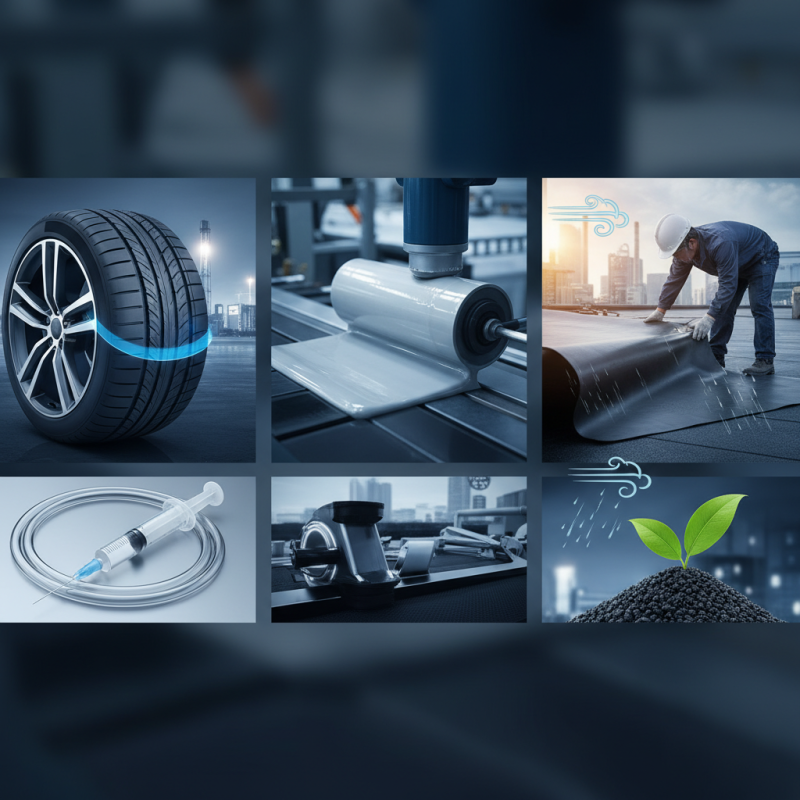
Best Butyl Rubber Uses in the Automotive Industry
Butyl rubber is a crucial material in the automotive industry. Its unique properties make it ideal for various applications. One primary use is in tire manufacturing. Tires made of butyl rubber have excellent air retention. This helps maintain proper tire pressure over time. Consequently, vehicles perform better and consume less fuel.
Additionally, butyl rubber is used in sealing systems. It provides a strong barrier against moisture and chemicals. This is vital for maintaining a vehicle's lifespan and reliability. Butyl rubber seals are often used in windows and doors. They reduce noise and vibrations inside the cabin, enhancing passenger comfort.
However, the manufacturing and recycling of butyl rubber present challenges. Waste generated during production can impact the environment. Moreover, not all butyl rubber products are easily recyclable. The industry needs to focus on developing more sustainable practices. This reflection on butyl rubber's lifecycle is essential for long-term solutions. Balancing benefits with environmental impact is a pressing concern.
Butyl Rubber Uses in the Automotive Industry
Advantages of Butyl Rubber in the Healthcare Sector
Butyl rubber is gaining attention in the healthcare sector for its unique properties. It is non-toxic and has excellent air impermeability. These qualities make it ideal for various medical applications. According to a recent report by MarketsandMarkets, the demand for healthcare-grade butyl rubber has grown by 5.2% annually. This growth stems from increased healthcare needs and advancements in medical technology.
In the realm of healthcare, butyl rubber is often utilized for medical seals, gaskets, and protective clothing. It effectively prevents contamination, ensuring the safety of pharmaceuticals and medical devices. Its resistance to chemicals further extends its applicability. However, the environmental impact of synthetic rubber production raises concerns. Innovations in eco-friendly butyl rubber manufacturing could address these issues.
Butyl rubber also plays a crucial role in medical devices such as blood bags and IV tubes. The material’s flexibility allows for easier handling and reduced risks of leaks. Despite its advantages, healthcare providers must remain vigilant about the long-term effects of using synthetic materials in patient care. Balancing functionality and environmental impact is an ongoing challenge for the industry.
Applications of Butyl Rubber in Construction and Building Materials
Butyl rubber is gaining recognition in construction and building materials. Its unique properties make it an excellent choice for various applications. This synthetic rubber offers superior airtightness, which is crucial for sealing gaps in windows and doors. It also remains stable under extreme temperatures, making it suitable for roofing membranes.
The versatility of butyl rubber extends to its waterproofing capabilities. Many building projects utilize butyl rubber sheets to protect structures from water damage. These sheets are often used in foundations and basements. They effectively prevent moisture intrusion, enhancing the longevity of buildings. However, some may overlook its environmental impact during production.
Butyl rubber is also used in adhesives and sealants. These products ensure strong bonds and durability. However, while it is efficient, some building professionals might need to consider more sustainable options. Balancing performance and environmental responsibility is an ongoing challenge in the industry.
Best Butyl Rubber Uses and Benefits for Various Industries
| Industry |
Applications |
Benefits |
| Construction |
Roofing membranes, sealants, and window glazing |
Excellent weather resistance and durability |
| Transportation |
Inner tubes, gaskets, and seals |
Low permeability to gases, reducing air loss |
| Consumer Goods |
Sports equipment, footwear, and toys |
Flexibility and resilience under stress |
| Medical |
Medical gloves and tubing |
Chemical resistance and non-reactivity |
| Manufacturing |
Seals and conveyor belts |
Longevity and ability to withstand harsh chemicals |
Environmental Benefits of Using Butyl Rubber
Butyl rubber offers significant environmental benefits that are often overlooked. This versatile material is not only durable but also contributes to sustainability across various industries. According to recent studies, butyl rubber can reduce greenhouse gas emissions in tire production by 10-15%. This reduction plays a crucial role in combating climate change.
One of the major advantages of butyl rubber is its low permeability. Tires made from butyl rubber can retain air longer, which leads to improved fuel efficiency. Estimates suggest that using butyl in tires can enhance fuel economy by 5%. This means less fuel consumption and lower carbon dioxide output. Additionally, its longevity means fewer replacements, resulting in less waste in landfills.
Tips: Consider using butyl rubber for applications where durability matters most. It is ideal for weather-resistant products. From a lifecycle perspective, evaluating your material choices could lead to more sustainable practices. Although butyl rubber offers many benefits, it is essential to remain aware of its sourcing. Evaluating the production methods can help ensure that it aligns with environmental standards.
Comparison of Butyl Rubber with Other Synthetic Rubbers
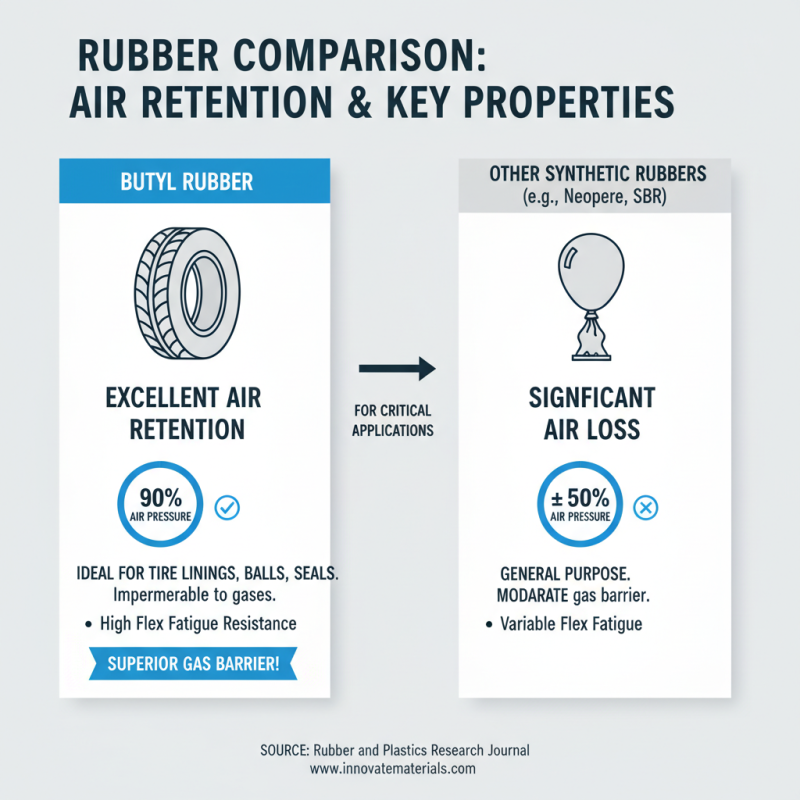
Butyl rubber stands out for its unique properties, especially when compared to other synthetic rubbers. It offers excellent air retention. For instance, its impermeability to gases makes it ideal for tire inner linings. A study from the Rubber and Plastics Research Journal highlights that butyl rubber retains up to 90% of its air pressure for long periods, unlike neoprene, which shows significant air loss over time.
When analyzing mechanical and thermal resistance, butyl rubber holds its ground well. According to the American Chemical Society, its tensile strength can exceed 20 MPa. This is an advantage in applications such as protective gear and seals. In contrast, styrene-butadiene rubber (SBR) may struggle under extreme conditions, leading to higher wear and tear.
Despite its benefits, butyl rubber does have limitations. It's less efficient in high-temperature environments compared to silicone rubber. Moreover, its rigidity can result in cracking under stress if not properly formulated. These challenges prompt industry professionals to continue evaluating material formulations for enhanced performance.