Why Choose Butyl Rubber for Your Industrial Needs?
In today's industrial landscape, the choice of materials can make or break a product's performance. Butyl Rubber stands out as an exceptional option for various applications. This synthetic rubber is renowned for its unique properties, including excellent impermeability and durability. Industries that rely on high-performance materials often turn to Butyl Rubber due to its versatility.
However, it is crucial to evaluate the specific needs of your project. While Butyl Rubber offers superior resistance to gases and moisture, not all applications may benefit equally from its use. Understanding the nature of your environment and product requirements is essential. For instance, certain conditions may render Butyl Rubber less effective compared to alternatives like natural rubber or neoprene.
Decision-makers should weigh these factors carefully. Butyl Rubber is a reliable choice, but it isn’t universal. Engaging with experts and assessing the unique demands of your industrial needs can lead to better outcomes. The right material can enhance performance, longevity, and ultimately your company’s success.

Benefits of Butyl Rubber in Industrial Applications
Butyl rubber is a versatile material highly valued in industrial applications. Its excellent impermeability to gases makes it suitable for products requiring airtight performance. This characteristic is particularly useful in pneumatic systems and sealing applications where air retention is critical. Industries like automotive and aerospace benefit significantly from butyl rubber's unique properties.
The temperature resistance of butyl rubber is also notable. It maintains its integrity in both extreme cold and heat. This capability allows it to be used in environments where other materials might fail or degrade. However, the material does have its limitations. It can become brittle with prolonged exposure to UV light, which is a consideration for outdoor applications. Users should weigh the pros and cons carefully.
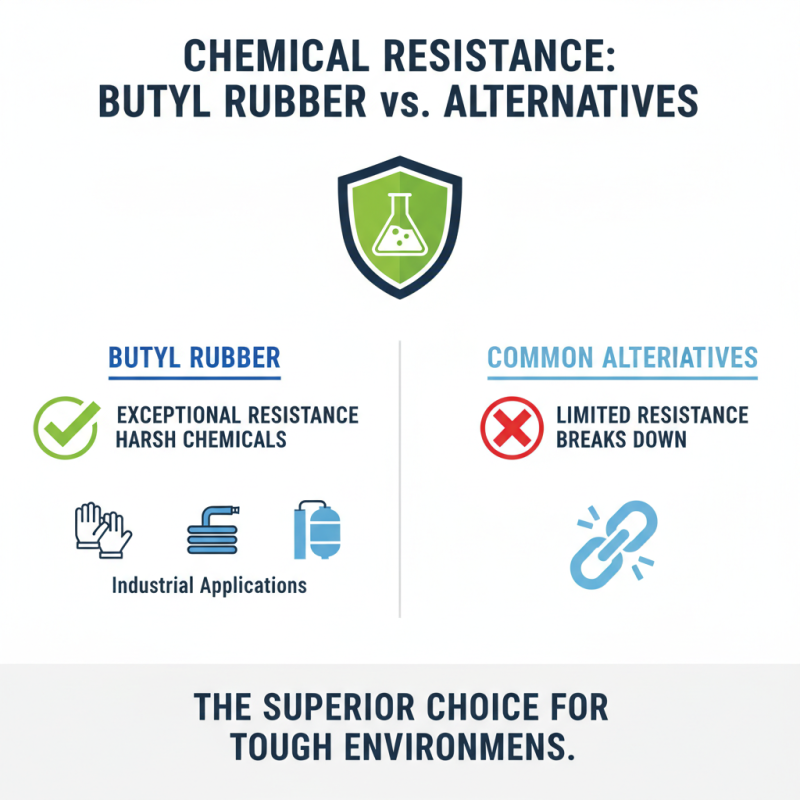
Another advantage is its chemical resistance. Butyl rubber performs well against acids and bases, making it a reliable choice for various industrial settings. Still, understanding the specific environment is crucial. Users must ensure that butyl rubber is suitable for their unique operational conditions. Proper testing should always be conducted to ensure performance reliability over time.
Why Choose Butyl Rubber for Your Industrial Needs? - Benefits of Butyl Rubber in Industrial Applications
| Property |
Description |
Benefit in Industrial Applications |
| Gas Impermeability |
Excellent resistance to gas and air permeation. |
Ideal for sealing applications and tire manufacturing. |
| Chemical Resistance |
Resistant to many chemicals and solvents. |
Suitable for use in chemical processing environments. |
| Temperature Stability |
Maintains stability over a wide temperature range. |
Effective in both high and low temperature applications. |
| Low Compression Set |
Resilience allows it to return to original shape. |
Long-lasting gaskets and seals with minimal wear. |
| Electrical Insulation |
Non-conductive properties. |
Ideal for use in electrical and electronic applications. |
| Flexibility |
Flexible at low temperatures. |
Useful in dynamic applications requiring movement. |
Temperature Stability and Performance of Butyl Rubber
Butyl rubber is known for its exceptional temperature stability, crucial for many industrial applications. Research indicates that butyl rubber retains its integrity across a wide temperature range, from -50°C to 120°C. This feature is particularly beneficial for industries requiring reliable materials that won't degrade in extreme conditions.
In addition to heat resistance, butyl rubber exhibits excellent resistance to various environmental factors. For instance, it remains unaffected by UV radiation, ozone, and weathering. A study from the Rubber Division of the American Chemical Society notes that butyl rubber maintains over 90% of its initial properties after long-term exposure to these elements.
However, challenges exist. While butyl rubber performs well in many scenarios, it may not provide adequate strength without proper reinforcement. Industries should consider these factors when selecting materials. Balancing temperature stability with mechanical performance is vital for optimal outcomes. Careful analysis helps ensure that butyl rubber meets specific industrial needs.
Cost-Effectiveness of Butyl Rubber for Manufacturing Industries
Butyl rubber has gained attention in manufacturing industries due to its impressive cost-effectiveness. Its unique properties contribute to durable products that often require less frequent replacement. This longevity can lead to substantial savings over time. Reduced maintenance costs also play a crucial role in manufacturing budgets.
In many applications, butyl rubber performs better than traditional materials. It resists gas permeation, providing excellent sealing capabilities. This reliability enhances overall efficiency, minimizing downtime in production. However, the initial investment can sometimes be higher when purchasing butyl-based products. Manufacturers must evaluate the long-term benefits against upfront costs.
Not every situation may call for butyl rubber. Companies should consider their specific requirements. For some, alternatives may provide the right balance between cost and performance. A thorough analysis is necessary to ensure optimal material choice. Evaluating these factors can help businesses make informed decisions.
Applications of Butyl Rubber in Automotive and Aerospace Sectors
Butyl rubber has become a staple in the automotive and aerospace sectors due to its unique properties. This synthetic rubber, known for its excellent impermeability and flexibility, offers significant advantages in tire manufacturing. According to a recent industry report, nearly 60% of automotive tires utilize butyl rubber in their inner linings for reduced air loss. This enhancement can improve fuel efficiency and increase the lifespan of tires.
In aerospace applications, butyl rubber plays a critical role in sealing systems. Its resistance to harsh environmental conditions makes it ideal for aircraft components. Reports indicate that butyl rubber's thermal stability can withstand temperatures ranging from -40°C to 120°C, ensuring reliable performance in various climates. Despite its benefits, sourcing and production processes may raise questions about sustainability. Ongoing research in recycling and alternative materials remains a point of discussion within the industry.
Why Choose Butyl Rubber for Your Industrial Needs?
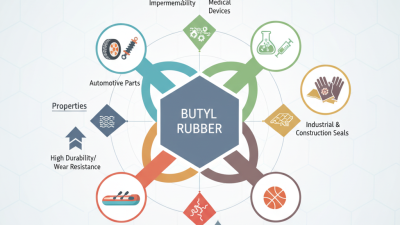
This chart illustrates the applications of Butyl Rubber in the Automotive and Aerospace sectors, highlighting its versatility and essential properties.