How to Choose the Best Butyl Inner Tube for Your Bike?
Choosing the right butyl inner tube for your bike can significantly influence your riding experience. A good inner tube helps ensure comfort and performance. Butyl inner tubes are popular for their durability and air retention capabilities. They offer advantages over other materials like latex. However, finding the best one can be tricky.
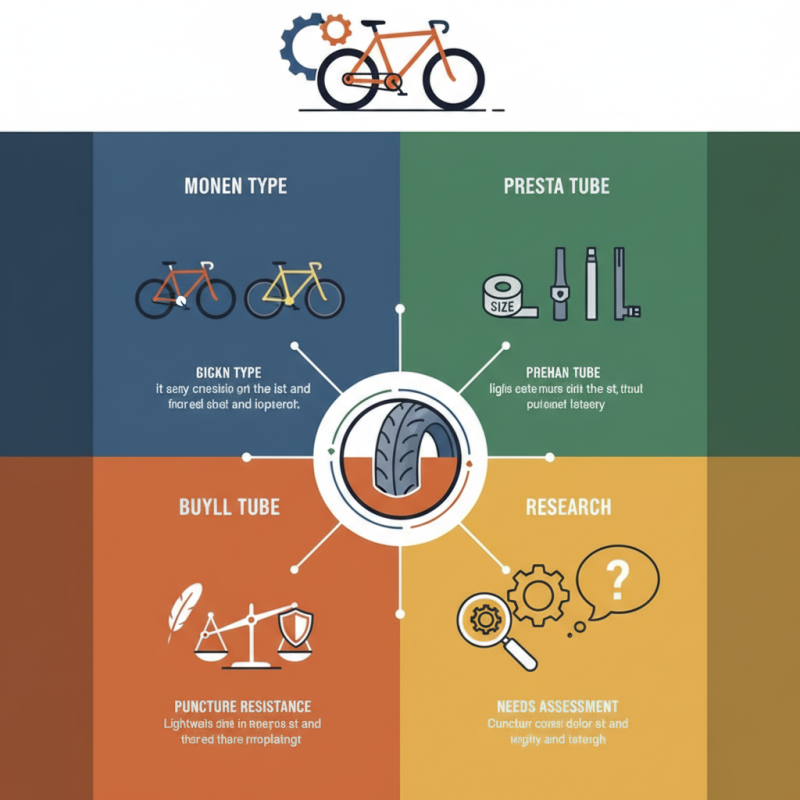
Consider your bike type and riding style. A heavier tube might be suitable for mountain biking but less ideal for racing bikes. Also, check the tube size and valve type. An incorrect fit can lead to frustrating rides. It’s not just about brand; some lesser-known options can provide great value.
Reflect on your needs while assessing the features. This choice involves trade-offs. You may desire lightweight performance but also need puncture resistance. Keeping a balance is essential. Exploring various options can be overwhelming but rewarding. The right butyl inner tube will enhance your cycling adventures.
Understanding the Basics of Butyl Inner Tubes for Bicycles
When selecting the right butyl inner tube for your bike, it’s important to understand their characteristics. Butyl rubber is known for its durability and air retention. Reports show that butyl tubes can retain air up to three times longer than natural rubber tubes. This feature is crucial for cyclists who prioritize minimal maintenance.
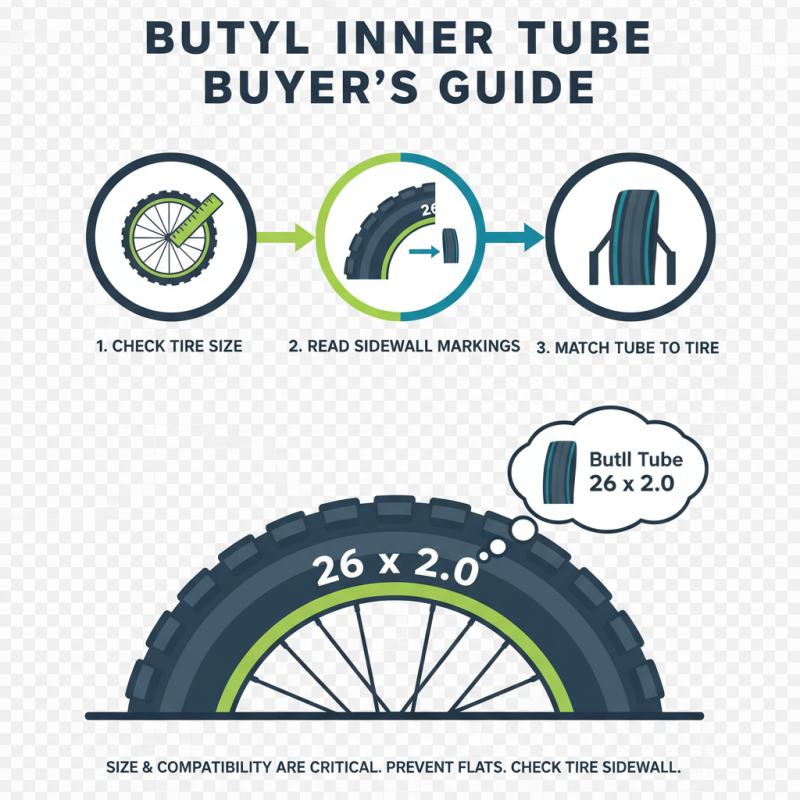
Many cyclists overlook the importance of size and compatibility. Each bike requires a specific tube size, often marked on the tire. Using the wrong size may cause punctures or fit issues. Always check the dimensions to ensure a proper fit.
Tips: Always carry a spare tube. It saves time during emergencies. Consider replacing tubes every few years to avoid degradation. Frequent inspections can help catch tiny leaks before they become major problems. Remember, a worn-out tube will lead to flat tires and frustration on your rides.
Factors to Consider When Choosing a Butyl Inner Tube
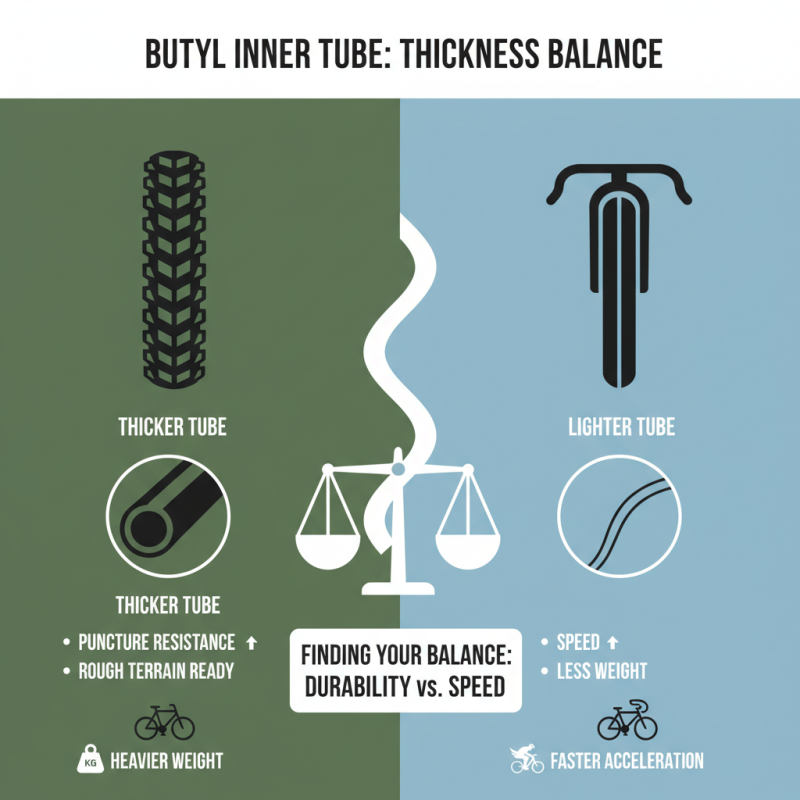
When selecting a butyl inner tube for your bike, several factors are essential. Durability is key; good quality butyl tubes can withstand punctures, but not all are created equal. A report from the Bicycle Tire Association indicates that a thicker wall can improve resistance. However, thicker tubes can add weight. Finding the right balance is critical.
Another important factor is the size. Inner tubes must match your bike's tires. Misfits can cause blowouts and decrease performance. According to cycling experts, using the wrong size can significantly impact the ride quality. This leads to unnecessary wear on both the tire and tube.
Finally, consider the valve type. Presta valves are more common in road bikes, while Schrader valves are typically found in mountain bikes. Each has distinct pros and cons. Some riders prefer the slim profile of Presta valves, which may reduce air loss. However, they require a specific pump type, which could be inconvenient. Small details like these matter significantly when choosing the right inner tube. Riding with an ill-fitting or subpar inner tube can lead to frustration and affect your cycling experience.
Comparing Sizes and Compatibility for Your Bicycle Model
When choosing a butyl inner tube, size and compatibility are critical. Bicycles come in various designs, and tube sizes vary accordingly. Check your tire size before making a purchase. The right fit prevents air leaks and flat tires. Sizes are usually listed on the tire sidewall. For example, a tire marked 26 x 2.0 needs a tube that matches this specification.
Compatibility can be tricky. Different bikes require different valve types. Presta and Schrader are the two most common. Make sure to choose the right valve for your rim. Don't overlook the importance of this detail. An incorrect valve can lead to frustration and wasted time. Sometimes, the right size and type aren't available at local shops. It may take additional effort to find what you need.
If you're uncertain about sizes, measure the existing tube. This can help you avoid errors. However, even experienced cyclists can second-guess their choices. Small discrepancies matter when you're on a ride. Take the time to research and double-check your selection. A well-chosen inner tube enhances your cycling experience.
Evaluating Thickness and Durability of Butyl Inner Tubes
When selecting a butyl inner tube for your bike, thickness plays a crucial role. Thicker tubes often provide better puncture resistance. They can handle rough terrain well. However, thicker options may also be heavier. Some cyclists prefer lighter tubes for speed. Finding a balance between weight and durability is key.
Durability is another important factor to consider. A well-made butyl tube should withstand various riding conditions. Look for tubes that resist temperature changes. Many riders overlook this detail, leading to unexpected blowouts. It’s wise to consider where you typically ride. Constant exposure to sharp objects can wear down even the best tubes.
Reflecting on your needs is essential. Think about how often you ride and where. Do you commute daily or enjoy weekend adventures? Your riding style affects the tube you choose. Opting for a thicker tube may seem like a safe choice. But, if speed is your goal, a lighter option may be better. Ultimately, assess your priorities and ride style to make an informed decision.
Exploring Additional Features and Benefits of Butyl Inner Tubes
Butyl inner tubes are popular due to their outstanding air retention properties. They can maintain pressure better than other materials. Reports indicate that butyl tubes can lose approximately 1-2 PSI per week under normal conditions. This makes them ideal for cyclists who prefer low maintenance.
In addition to excellent pressure retention, butyl inner tubes offer notable puncture resistance. This characteristic can be crucial for riders who frequently navigate rough terrains. A study by the Bicycle Tube Association shows that butyl tubes are about 25% more resistant to punctures compared to latex tubes. However, they can feel a bit heavier, which might not be ideal for those looking to minimize bike weight.
Another feature to consider is their durability. Butyl inner tubes tend to withstand varying temperatures well. They perform effectively in both hot and cold climates. Yet, over time, they can degrade from UV exposure and ozone, leading to cracks. Regular checks for wear and tear are necessary. The balance of benefits and potential downsides makes careful selection crucial for the dedicated cyclist.