How to Choose the Right Inner Tube For Tire Replacement?
Choosing the right inner tube for tire replacement is crucial for vehicle performance and safety. According to the industry report by *Global Tire Technologies*, over 40% of tire failures are caused by improper tube selection. These failures can lead to accidents, highlighting the importance of making informed decisions.
Expert James Anderson, a tire and wheel specialist, advises, “Selecting the correct inner tube for tire applications is essential for optimal performance and safety.” This statement stresses the need for precision when choosing an inner tube for tire. Without the right fit, riders may experience loss of control, increased wear, and premature tire failure.
Given the wide variety of inner tubes available, understanding size specifications and compatibility is necessary. Many choose based solely on price. However, this approach can lead to expensive mistakes. It is vital to consider material, valve type, and pressure ratings. Investing time in research before purchasing can significantly enhance reliability and safety on the road.
Understanding Different Types of Inner Tubes for Tire Replacement
Choosing the right inner tube is crucial for tire replacement. Inner tubes come in various types, each designed for specific uses. For example, there are standard inner tubes, which are versatile and can fit most bicycles. These tubes are made from rubber and provide good puncture resistance. However, they may not perform well in extreme conditions, such as rough terrains.
Another option is the tubeless inner tube. This type eliminates the need for a traditional tube, relying on sealant to prevent leaks. Tubeless setups can offer better performance, especially for mountain biking. Yet, they require a compatible rim and may involve a complicated installation process. It’s essential to weigh these factors based on your riding style and needs.
Valve type is also something to consider. Presta and Schrader valves are the most common. Presta valves are typically narrower, used in high-performance bikes. Schrader valves resemble car tire valves and are more durable. Knowing which valve fits your rims can save you from future hassles. With the variety of options, proper research is key to making the best choice.
Factors to Consider When Selecting an Inner Tube
Choosing the right inner tube for your tire replacement is vital for safety. Several factors influence your choice. The size is paramount. It must match your tire's dimensions exactly. Check the tire's sidewall for measurements. A mismatched tube can lead to a blowout.
Material also plays a crucial role. Most inner tubes are made from rubber or latex. Rubber is durable but heavier. Latex offers lower rolling resistance and a lighter weight. However, it may puncture easier. Consider your riding style when selecting.
Valve type is another essential aspect. Presta and Schrader valves serve different bikes and pumps. Ensure compatibility with your bike's rim and your pump. It's an easy oversight, but it can hinder your ride. Reflect on your needs. Think about where you ride. Conditions may impact your choice. Taking time now can save problems later.
How to Measure Tire Size for Proper Inner Tube Fit
Measuring tire size is essential for selecting the correct inner tube. Understanding the dimensions ensures a proper fit and optimal performance. Start by checking the sidewall of your tire. You’ll find a combination of numbers indicating the tire's size. This typically includes the diameter and width. For example, a label may read 27x1.25, meaning the tire is 27 inches in diameter and 1.25 inches wide. Accurate measurements prevent mismatches that could lead to a flat tire or dangerous handling.
It's crucial to measure both the diameter and the width accurately. A tape measure or a caliper can be handy tools. When measuring, take note of the width at various points. Sometimes, tires can wear unevenly. If your tire shows signs of damage, replace it soon. Mismatched inner tubes can cause difficulties during riding. Inadequate sizing can also lead to frustrating inflations or deformations. It’s a common oversight, but one that can be easily rectified with careful measuring.
Don’t disregard the valve type either. It typically comes in Presta or Schrader varieties. Ensuring the inner tube fits your valve type is vital. If you're unsure, take your old tube with you when shopping. This practical approach can save time and minimize errors. Each detail matters when ensuring your safety and comfort while riding.
Common Materials Used in Inner Tubes and Their Benefits
When selecting an inner tube for tire replacement, understanding the materials used is crucial. Common options include rubber, latex, and butyl. Rubber tubes are often thicker, providing durability and puncture resistance. According to a report by the International Journal of Tire Technology, rubber tubes can decrease the risk of flats by up to 30%. They are a popular choice among commuters who face various road conditions.
Latex tubes, on the other hand, offer weight benefits. They are lighter than rubber, which can enhance performance. However, they are also more susceptible to punctures. A study published in the Journal of Sports Science noted that latex tubes improved bike speed by approximately 5% due to lower rolling resistance. Cyclists often debate the trade-off between weight and durability when choosing materials.
Butyl tubes are a middle ground. They provide excellent air retention and are less prone to punctures than latex. However, they may not perform as well in extreme temperatures. Riders often overlook the importance of proper inflation and regular checks. Neglecting these can lead to frequent replacements, costing more in the long run. Every cyclist should weigh these factors carefully to find the best fit for their needs.
Tips for Installing and Maintaining Your Inner Tube Properly
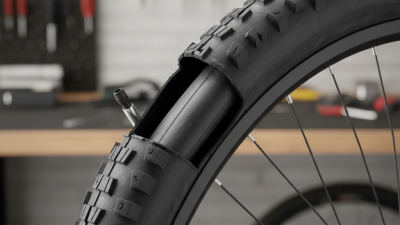
Installing and maintaining an inner tube is crucial for a smooth and safe ride. Begin by ensuring you have the correct size and type of inner tube that matches your tires. When removing the tire, work carefully to avoid damaging the rim or the tube itself. Using tire levers can help ease the process, but be cautious not to apply too much force. After replacing the inner tube, check for any punctures or damage that may have occurred during installation.
Proper inflation is key. Use a reliable pump to inflate the tube to the recommended pressure. Over-inflation can lead to blowouts, while under-inflation increases the risk of pinch flats. Take time to inspect the outer tire for sharp objects or debris before placing it back onto the wheel. It’s often beneficial to visually check for any signs of wear on both the tube and tire after every ride. Mistakes can happen, like pinching the tube while mounting; it’s vital to be patient and double-check your work.
Regular maintenance extends the life of your inner tube. Checking the pressure weekly is a good habit. Always carry a patch kit or a spare tube during rides. This preparation can save you unnecessary strife on the road. A proactive approach to installation and upkeep not only enhances performance but also fosters confidence in your riding experience.
How to Choose the Right Inner Tube For Tire Replacement? - Tips for Installing and Maintaining Your Inner Tube Properly
| Dimension |
Tube Material |
Valve Type |
Recommended Pressure (psi) |
Weight (grams) |
| 700x25c |
Butyl Rubber |
Presta |
100-120 |
200 |
| 26x2.1 |
Butyl Rubber |
Schrader |
30-50 |
300 |
| 29x2.6 |
Latex |
Presta |
35-45 |
220 |
| 20x1.75 |
Butyl Rubber |
Schrader |
35-45 |
250 |
| 26x4.0 |
Butyl Rubber |
Schrader |
15-25 |
500 |