2026 How to Choose the Best Butyl Inner Tubes for Your Needs?
In recent years, the demand for Butyl Inner Tubes has surged significantly. According to the report by Market Research Future, the global inner tube market is projected to grow by 5.2% annually until 2026. This growth reflects a shift towards durable and more reliable tire options in various industries.
Industry expert Dr. Alex Thompson, a leading figure in automotive materials, emphasizes the importance of choosing quality inner tubes: "A well-made Butyl Inner Tube can drastically enhance performance and safety." Selecting the right Butyl Inner Tube requires considering factors such as size, thickness, and intended use.
For example, mountain biking demands thicker tubes for rugged terrains, while competitive cycling may prioritize lightweight options. However, not all products are created equal. Consumers often face challenges due to misleading labeling or subjective reviews, underscoring a need for careful evaluation. Recognizing the distinct advantages of Butyl Inner Tubes can lead to informed decisions that ultimately improve riding experiences.
Understanding the Basics of Butyl Inner Tubes
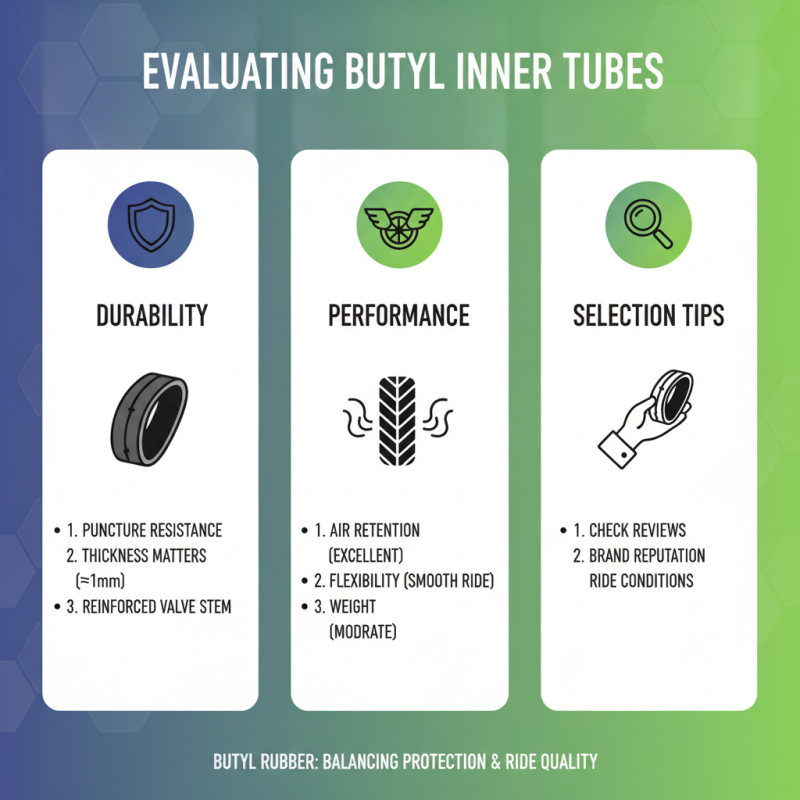
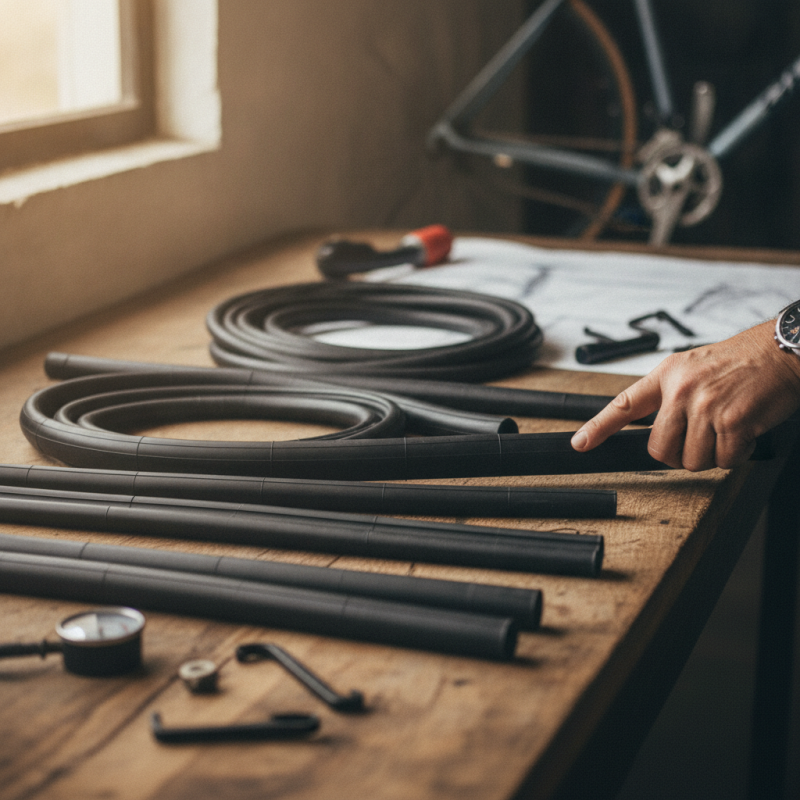
When considering butyl inner tubes, it’s essential to understand their core features. Butyl rubber is known for excellent air retention, making it a popular choice among cyclists. Studies show that butyl tubes retain air three times better than natural rubber. This means less frequent inflation, leading to a more consistent riding experience. Additionally, their resistance to punctures is higher, providing cyclists with greater reliability.
A significant factor to consider is the weight of these tubes. While butyl is heavier than other materials like latex, the durability and low maintenance often outweigh the weight disadvantage. According to a report by the Bicycle Industry Association, 70% of cyclists prioritize durability over lightweight options. This highlights a trend where longevity is valued in performance cycling. Many riders find that regular inspections and proper handling can mitigate the drawbacks of weight, allowing for a balance between performance and reliability.
However, butyl tubes aren't perfect. They can be less flexible, which may affect ride quality on rough terrain. Additionally, new riders may overlook the importance of proper sizing, leading to discomfort. Regular updates in tire technology constantly challenge the standing of butyl, prompting industry professionals to reevaluate its use. Understanding these nuances can enhance your cycling experience and help you select the best inner tube for your needs.
Key Factors to Consider When Choosing Butyl Inner Tubes
When selecting butyl inner tubes, several key factors need careful consideration. The size of the tube is crucial. It must match your specific tire dimensions. An ill-fitting tube can lead to poor performance or even damage. Pay attention to the width and diameter, which are usually marked on the tire sidewall.
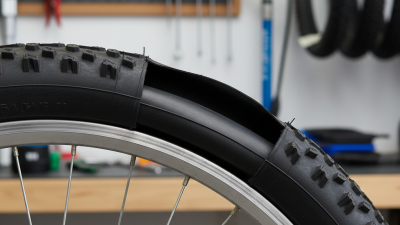
The thickness of the tube can influence durability and weight. Thicker tubes offer more puncture resistance, while lighter tubes enhance speed. Consider your riding style and conditions. If you ride frequently on rough terrain, a thicker tube might be necessary. However, if you're mainly on smooth roads, a lighter option could suffice.
Lastly, valve type matters. Schrader and Presta valves are the most common. Schrader valves are wider and more robust. Presta valves, on the other hand, are narrower and often used in high-performance bikes. Check your bike’s compatibility. Reflecting on these key aspects will lead to a more satisfactory choice. Make sure to analyze your needs before making a purchase.
Comparing Different Sizes and Types of Butyl Inner Tubes
When choosing butyl inner tubes, size and type are crucial factors. Different bike types require different tube sizes. A mountain bike typically uses larger tubes than a road bike. Measure your current tubes or consult your bike specifications. Failing to match the size can lead to poor performance.
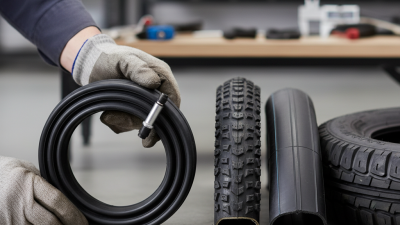
Butyl inner tubes come in various types. Some are lightweight for racing, while others are more durable for off-road adventures. Consider your riding style. A heavy-duty tube may add weight but can endure rough terrains. On the other hand, a lightweight tube enhances speed but risks punctures. Think about your priorities; balancing speed and durability matters.
You might face challenges in choosing the right tube. Sometimes, the perfect fit isn't available. Experimenting with different options can lead to unexpected issues. Reflecting on these experiences can guide future choices. It's essential to stay informed and adaptable when selecting butyl inner tubes, as each ride can teach valuable lessons.
2026 Butyl Inner Tubes Comparison Chart
This chart compares the weights of different butyl inner tube sizes. The weights vary based on size and thickness, providing guidance for cyclists looking to choose the best option for their needs.
Evaluating the Durability and Performance of Butyl Inner Tubes
When selecting butyl inner tubes, evaluating durability and performance is crucial. Butyl rubber provides excellent air retention, making it a popular choice. However, not all butyl tubes are created equally. Look for options that are thick enough to withstand punctures, yet flexible enough for a smooth ride.
Consider the type of terrain you often navigate. Some inner tubes perform better on rough roads than on smooth surfaces. Testing these tubes under different conditions can reveal weaknesses. Durability may diminish with extreme temperatures, affecting the tube's lifespan.
Reflecting on your usage habits is essential. If you ride frequently, invest in higher-quality options. A lower-priced tube may save you money initially, but it could lead to more flats. Ultimately, finding the best fit for your needs involves trial and error. Being aware of the potential trade-offs can guide your decision-making process.