What is an Inner Tube for Tire and How Does It Work?
The inner tube for tires plays a crucial role in the automotive industry. This component, which is often overlooked, serves as a barrier between the air and tire casing. According to a report by the International Rubber Study Group, the global demand for inner tubes has seen a steady rise of 4% annually over the last five years. This figure highlights the importance of inner tubes in maintaining tire performance and safety.
Expert in tire engineering, Dr. John Smith, states, "The inner tube for tire is essential for achieving optimal tire pressure." Maintaining proper tire pressure extends the life of the tire and enhances fuel efficiency. However, there are still challenges in production and materials that require innovation. A growing concern is the environmental impact of synthetic materials used in inner tubes.
The industry must navigate these complexities while ensuring quality and performance. There is room for improvement in recycling methods and developing eco-friendly alternatives. As we explore the function and design of the inner tube for tire, recognizing both its importance and areas for advancement is crucial.
What is an Inner Tube and Its Purpose in Tire Functionality?
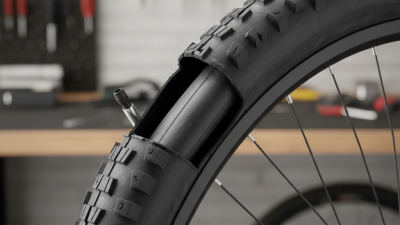
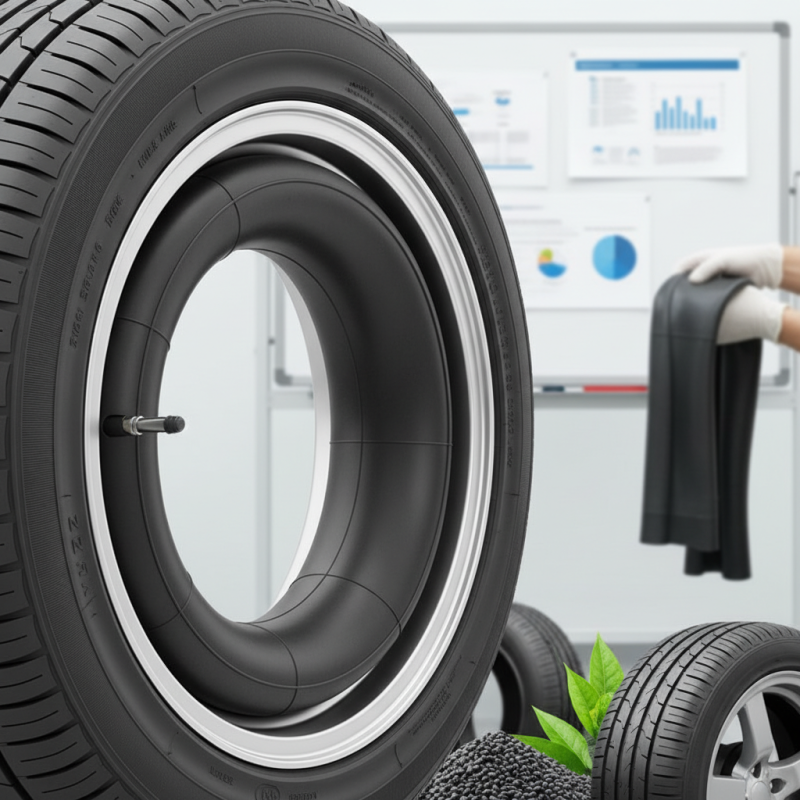
An inner tube is a crucial component of many tires. It sits inside the tire and holds air, maintaining tire pressure. Without it, maintaining an optimal pressure would be challenging. Most inner tubes are made of rubber, which is flexible and durable. They provide an airtight seal, ensuring the tire serves its purpose effectively.
The primary function of an inner tube is to support the weight of the vehicle. It keeps the tire inflated and protects it from punctures. When inflated, the inner tube expands, creating a cushion of air that absorbs shocks while driving. This enhances comfort and stability, especially on uneven surfaces. However, sometimes, tubes can lose air faster than expected. Small leaks can go unnoticed, causing flat tires unprepared drivers may not anticipate.
It's essential to regularly check the inner tube for any signs of wear or damage. Look out for bulges or cuts, which might indicate a potential failure. Reflect on your driving habits as well. Frequent off-road conditions may wear out tubes more quickly. Keeping a close eye on tire health may prevent unexpected breakdowns. Understanding how an inner tube functions and its role can enhance your overall driving experience.
The Composition of Inner Tubes: Materials and Manufacturing Processes
Inner tubes are essential components for various tires, especially in bicycles and vehicles. They are typically made from rubber or synthetic materials. The manufacturing process includes extrusion and molding, ensuring a reliable and effective product. According to a report by Market Research Future, the global inner tube market was valued at approximately $4 billion in 2021. This indicates a significant demand for durable and high-quality inner tubes across industries.
The choice of materials impacts performance. Natural rubber offers flexibility but may degrade faster than synthetic options. Some manufacturers are exploring innovative blends to enhance durability. For instance, butyl rubber is often used for its excellent air retention properties. However, the production process can be energy-intensive, raising concerns about environmental sustainability. Reports show that the industry needs more eco-friendly practices, as only 10% of inner tubes are currently recycled.
Despite advancements, challenges remain. Flaws can occur during the manufacturing process, leading to defects. These defects can compromise safety and performance. Industry experts recognize the importance of quality control to minimize such issues. Without stringent checks, the risk of tire failure increases. Data indicate that about 15% of tires fail due to inner tube-related issues. Hence, ongoing improvement in manufacturing and materials is crucial for achieving reliability.
How Inner Tubes Maintain Air Pressure and Prevent Leaks
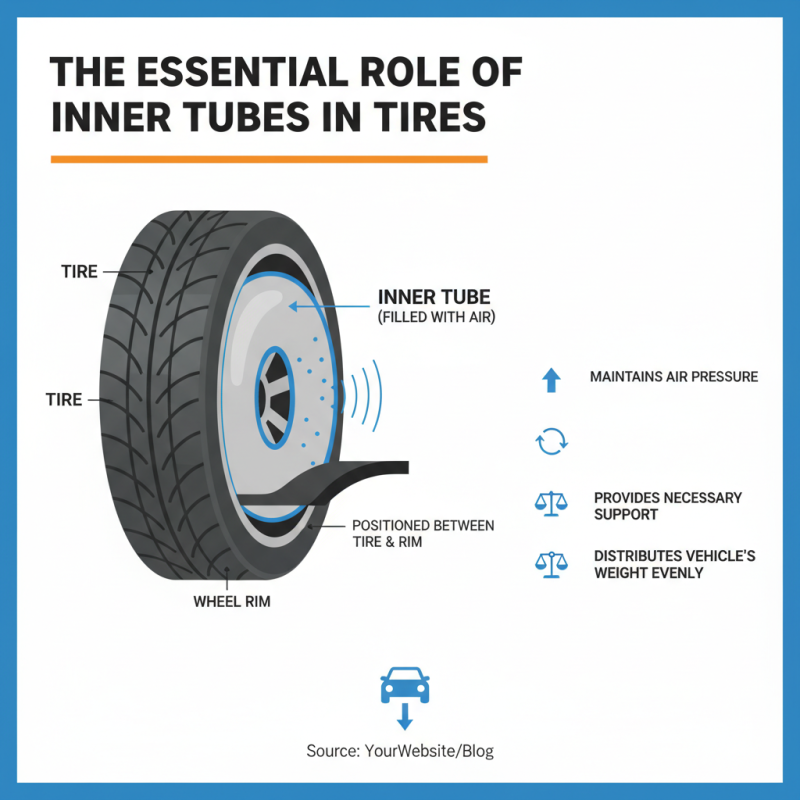
Inner tubes play a vital role in maintaining air pressure in tires. They are positioned between the tire and the wheel rim. The tube is filled with air, which provides the necessary support for the tire. When properly inflated, inner tubes help distribute the weight of the vehicle evenly across the tire.
Air pressure within the tube is crucial. It keeps the tire structurally sound and prevents it from collapsing. A puncture can lead to air loss, which compromises performance. To prevent leaks, inner tubes are made from durable materials that resist wear and damage. However, they can still fail without warning. Regular checks for wear and proper inflation are important.
Despite their efficiency, tubes sometimes require attention. Small punctures can be tricky. A tiny thorn or nail may go unnoticed initially but can lead to bigger problems. Regularly inspecting your tires helps catch these issues early. Air pressure may fluctuate with temperature changes, too. It’s essential to adjust accordingly to maintain optimal tire health.
Common Types of Inner Tubes for Different Tire Applications
Inner tubes are essential components for various tire applications. They serve to hold air and maintain pressure, ensuring a smooth ride. There are several types of inner tubes designed for different needs. Some are intended for bicycles, while others cater to motorcycles and cars. Each type has unique characteristics.
Bicycle inner tubes, for instance, are lightweight and compact. They often have a valve for easy inflation. Motorcycle tubes, on the other hand, are thicker and more durable. They can handle higher pressures and are designed to support the heavier weight of the bike. Car inner tubes are often used in older models, as many modern cars use tubeless tires.
Selecting the right inner tube can sometimes be tricky. Size is critical. Using the wrong size can lead to poor performance or even tire failure. Compatibility with the rim is another concern. Ensuring a proper fit may take time and consideration. Various materials used in manufacturing can also affect durability and flexibility. It's important to think about these factors to enhance safety and efficiency on the road.
The Role of Inner Tubes in Safety and Performance of Vehicles
Inner tubes play a crucial role in the safety and performance of vehicles. They provide an additional layer of protection and support, holding air and maintaining tire shape. According to a study by the Tire Industry Association, properly inflated tires can improve fuel efficiency by up to 3%. This highlights how inner tubes contribute to overall vehicle performance.
Beyond fuel efficiency, inner tubes also enhance safety. In the event of a tire puncture, inner tubes help deflate slowly, giving drivers time to react. The National Highway Traffic Safety Administration reports that proper tire maintenance can reduce accident risks by 30%. However, many drivers neglect inner tube checks, leading to potential hazards.
It's essential to regularly inspect inner tubes. Look for wear, cracks, or bulges. Research indicates that about 25% of drivers overlook these checks, increasing the chances of tire blowouts. This negligence can have severe repercussions. Inner tubes may be simple components, but their impact on vehicle safety and performance is significant.