China’s butyl rubber industry serves tire, pharmaceutical, construction, automotive, and sealing applications worldwide. This guide examines China Top Butyl Rubber Manufacturers and Suppliers through practical purchasing criteria, not promotional claims. Butyl Rubber is valued for its low gas permeability, weather resistance, and strong damping performance. These properties matter when a seal must retain pressure beside a hot engine or protect medicine from moisture.
Reliable evaluation requires more than comparing prices. Buyers should review compound specifications, batch consistency, test methods, production capacity, and traceability records. A serious supplier can explain polymer grades, halobutyl options, curing systems, and application limits in clear technical language. Samples should be tested under actual temperature, pressure, and chemical conditions. A clean factory floor helps, but it never replaces laboratory evidence. Ask for certificates, inspection reports, and documented quality controls. Then verify them independently where possible.
Supplier selection is rarely perfect. Product pages may omit aging data, and translated specifications can create confusion. That deserves attention. A low quotation may reflect different fillers, packaging, or testing standards rather than genuine savings. Communication also reveals experience: capable manufacturers ask about service life, processing equipment, and required tolerances before recommending a grade. This introduction will compare supplier capabilities, export experience, customization support, and quality assurance practices. It will also identify questions buyers should ask before signing a contract. The goal is practical judgment, not a simplistic ranking. Good sourcing takes evidence, patience, and occasional reconsideration.
What Is Butyl Rubber and Where Is It Used?
Butyl rubber is a synthetic elastomer made from isobutylene with a small amount of isoprene. Its tightly packed molecular structure gives it very low air and moisture permeability. That matters inside a tire, where pressure must remain stable for weeks, not hours. It also resists ozone, sunlight, and many chemicals. However, it performs less effectively against petroleum oils and some solvents.
A 2024 global market assessment estimated the butyl rubber market at more than USD 3 billion, with demand rising at roughly 4% annually. Tire inner liners remain the largest application. Halobutyl grades are common in pharmaceutical closures because they help protect sterile contents from air and moisture. They also appear in medical seals, vibration dampers, roofing membranes, and industrial hoses. Small details matter here. A stopper may look flawless, yet poor curing can increase gas transfer or create extractables.
Buyers comparing manufacturers and suppliers should request permeability data, hardness range, cure-system details, and batch traceability. ISO 9001 certification supports process control, but it does not replace independent testing. ASTM D1434 can assess gas permeability, while ASTM D412 measures tensile behavior. These tests improve confidence, although laboratory results may not match field conditions perfectly. That gap deserves attention. Temperature cycles, compression, and aging can change performance faster than a datasheet suggests. Geological Survey and industry outlook reports also identify transportation and healthcare as continuing demand centers through the decade.
Butyl rubber, or IIR, is a synthetic copolymer made mainly from isobutylene with a small amount of isoprene. Its low gas permeability, good weather resistance, damping performance, and chemical stability make it suitable for tire inner liners, pharmaceutical closures, inner tubes, seals, hoses, and vibration-control components.
The chart shows a representative monomer composition for general-purpose butyl rubber. Commercial grades may vary slightly in isoprene content depending on processing and performance requirements.
China’s butyl rubber industry has developed from basic processing capacity into a more specialized manufacturing sector. Early production focused on general sealing materials and inner tubes. Today, manufacturers produce grades for pharmaceutical closures, automotive components, construction membranes, and industrial hoses.
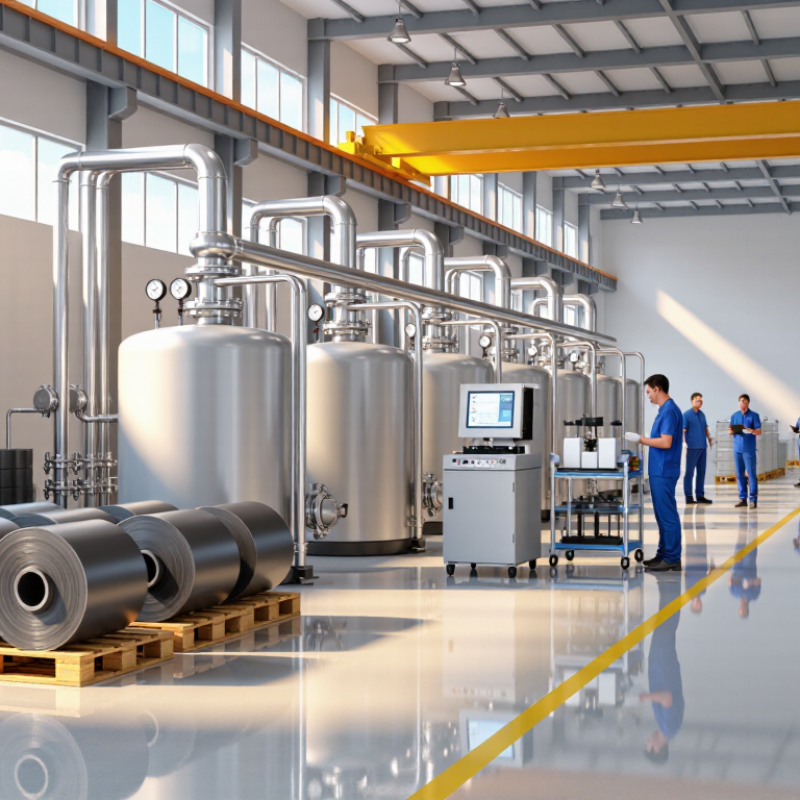
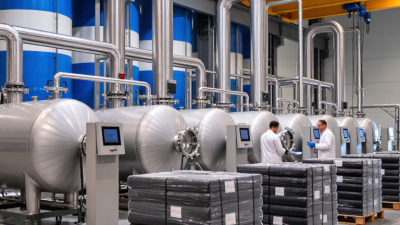
This progress came through improved polymerization control, cleaner production rooms, and stricter batch testing. Engineers now monitor viscosity, unsaturation, ash content, and gas permeability. Many factories also use automated mixing and extrusion lines. These changes help suppliers deliver more consistent sheets and compounds. However, development has not been perfectly even. Some producers still depend on older equipment, which can create differences in color, odor, and processing behavior. Buyers should not judge quality from price alone.
Tips: Ask for recent test reports, production capacity, and sample approval records. Check whether the supplier can control batch-to-batch variation. A practical trial may reveal issues that a polished catalogue hides. Good communication matters. So does traceability. Suppliers with documented quality procedures usually respond more clearly when problems appear. China’s industry continues to improve, but technical claims still require verification through independent testing and real production trials.
Chinese butyl rubber producers commonly manufacture regular IIR, chlorobutyl CIIR, and bromobutyl BIIR. Each type serves a different processing need. IIR offers very low gas permeability and strong damping performance. It is widely selected for inner tubes, tire liners, seals, and vibration-control parts. CIIR and BIIR provide better curing speed and improved bonding with natural or synthetic rubber. They are also used for pharmaceutical closures and technical sealing components.
Available grades differ by Mooney viscosity, halogen content, molecular weight, and unsaturation level. Lower-viscosity grades usually mix and extrude more easily. Higher-viscosity grades can support stronger green strength and thicker profiles. Some Chinese suppliers also develop low-temperature, high-purity, low-odor, or specialty adhesive grades. The correct choice depends on the compound design, curing system, and final service temperature. Check the cure system.
In practical sourcing, I compare the technical data sheet with a recent certificate of analysis. Mooney values, ash, volatile content, and halogen consistency deserve close attention. Small variations can change extrusion pressure or curing time. That matters. Packaging is often supplied in wrapped bales, with batch identification and storage guidance. However, grade names are not always consistent between producers. A grade described as “high viscosity” may still behave differently during mixing. Trial batches remain necessary, even when laboratory data appears convincing. I have seen promising samples fail after humidity exposure or extended storage. This is an easy detail to underestimate.
| Butyl Rubber Type | Polymer Structure | Typical Unsaturation | Common Grade Families Produced in China | Typical Mooney Viscosity Range (ML 1+8 at 125°C) |
Key Performance Features | Typical Applications |
|---|---|---|---|---|---|---|
| Regular Isobutylene-Isoprene Rubber (IIR) | Isobutylene copolymerized with a small amount of isoprene; non-halogenated saturated backbone with limited double bonds. | Usually about 0.5–2.5 mol%, depending on grade and manufacturing technology. | General-purpose IIR grades in low-, medium-, and high-viscosity versions; grades may be supplied for extrusion, calendaring, or molding. | Approximately 40–80 MU, depending on molecular weight and processing design. | Very low gas permeability, excellent resistance to moisture and ozone, good aging stability, and high damping capability. | Inner tubes, tire inner liners, pharmaceutical closures, seals, gaskets, hoses, and air-retention products. |
| Low-Viscosity IIR | Regular butyl polymer adjusted toward lower molecular weight or improved processing flow. | Typically within the regular IIR range, commonly about 0.5–2.5 mol%. | Low-viscosity butyl grades for coating, adhesive, sealant, masterbatch, and compound-processing operations. | Approximately 20–45 MU. | Improved flow, easier mixing, good tack, strong barrier properties, and suitability for high-filler formulations. | Sealants, adhesive compounds, damping sheets, cable compounds, coatings, and specialty rubber blends. |
| High-Viscosity IIR | Regular butyl polymer with higher molecular weight and stronger green strength. | Typically within the regular IIR range, commonly about 0.5–2.5 mol%. | High-viscosity grades for reinforced compounds, heavy-duty extrusion, tire components, and molded rubber goods. | Approximately 70–90 MU. | High green strength, excellent air retention, strong dimensional stability, and good resistance to flex cracking. | Truck and bus tire inner liners, heavy-duty tubes, industrial hoses, diaphragms, and large molded seals. |
| Chlorobutyl Rubber (CIIR) | Chlorinated isobutylene-isoprene rubber containing reactive chlorine sites on the butyl backbone. | Base polymer generally retains about 0.5–2.5 mol% unsaturation; chlorine content is grade-dependent. | General chlorobutyl grades with different viscosity, cure-response, and halogen-content options. | Approximately 35–65 MU. | Improved cure compatibility with diene rubbers, better adhesion, low gas permeability, and strong ozone and aging resistance. | Tubeless tire inner liners, inner tubes, pharmaceutical stoppers, seals, hoses, and rubber-to-rubber laminates. |
| Bromobutyl Rubber (BIIR) | Brominated isobutylene-isoprene rubber with bromine-containing reactive sites. | Base polymer generally retains about 0.5–2.5 mol% unsaturation; bromine content is grade-dependent. | Standard bromobutyl grades, fast-curing grades, and grades designed for improved adhesion or high-temperature performance. | Approximately 30–60 MU. | Excellent air barrier, fast and versatile vulcanization, strong adhesion, good heat resistance, and good compatibility with natural and synthetic rubbers. | Automotive tire inner liners, pharmaceutical closures, medical components, seals, hoses, and high-barrier molded products. |
| Halobutyl Rubber | Chlorobutyl or bromobutyl rubber produced by halogenating regular IIR. | Usually based on low-unsaturation butyl rubber; halogen level is controlled according to the target cure system. | Halobutyl grades categorized by viscosity, cure speed, adhesion, filler acceptance, and compatibility with other elastomers. | Approximately 30–65 MU. | Combines butyl’s low permeability with improved cure rate, adhesion, and co-vulcanization performance. | Modern tubeless tire liners, inner tubes, pharmaceutical stoppers, medical seals, and specialty barrier products. |
| Pharmaceutical-Grade Butyl Rubber | Regular IIR or halobutyl rubber manufactured with controlled cleanliness and selected formulation requirements. | Depends on the underlying IIR, CIIR, or BIIR polymer grade. | Low-extractable, low-particle, and controlled-odor grades for elastomeric closures and healthcare packaging. | Commonly about 35–60 MU, depending on processing and closure design. | Low permeability to oxygen and moisture, good resealing behavior, chemical resistance, and suitability for sterilization processes when properly compounded. | Vial stoppers, infusion bottle closures, diagnostic containers, injectable-drug packaging, and laboratory septa. |
| Food-Contact and Medical-Contact Butyl Grades | Regular or halogenated butyl rubber formulated with controlled additives for regulated-contact applications. | Determined by the selected base polymer; typically within the normal butyl or halobutyl range. | Low-odor, low-migration, and controlled-extractable grades supplied for food, medical, and laboratory components. | Approximately 35–65 MU. | Good barrier against gases and moisture, low odor, strong chemical resistance, and stable sealing performance. | Food-processing seals, medical tubing components, laboratory closures, bottle liners, and hygienic gaskets. |
| Butyl Rubber Compound and Masterbatch | Butyl polymer pre-blended with carbon black, mineral fillers, processing aids, curatives, or other elastomers. | Depends on the selected polymer and blend ratio. | Pre-compounded extrusion, calendaring, injection-molding, tire-liner, sealant, and custom masterbatch grades. | Measured on the compound; commonly about 35–85 MU before final processing. | Consistent dispersion, simplified factory processing, controlled cure behavior, and application-specific hardness or permeability. | Tire inner liners, tubes, gaskets, industrial seals, cable compounds, sealants, and molded rubber parts. |
| Typical Testing and Classification Parameters | Properties are evaluated according to polymer type, formulation, and intended end use rather than by one universal grade system. | Unsaturation, halogen content, and molecular-weight distribution are important classification factors. | Common technical data include Mooney viscosity, ash, volatile matter, tensile strength, elongation, hardness, cure time, and gas permeability. | Mooney viscosity is commonly reported using ASTM D1646 or equivalent ISO methods. | Product selection normally balances barrier performance, cure compatibility, processing flow, adhesion, hardness, and aging resistance. | Used by tire, pharmaceutical, medical, automotive, construction, cable, sealant, and industrial-rubber manufacturers. |
| Common International Specification References | Butyl rubber products are generally specified by polymer chemistry, test method, and application requirements. | There is no single worldwide grade-numbering system covering every producer. | ASTM, ISO, and customer-specific technical specifications are commonly used for quality control and purchasing. | Typical tests may include Mooney viscosity, tensile properties, hardness, cure characteristics, and permeability. | Actual limits vary by producer, production batch, compounding recipe, and regulatory requirement. | Applicable to technical qualification, incoming inspection, supplier comparison, and product development. |
| Important Purchasing Note | Chinese suppliers may offer comparable polymer families under different proprietary grade codes. | Grade codes should not be compared solely by name because viscosity, halogen content, cure system, and impurity limits may differ. | Buyers should request a current technical data sheet, certificate of analysis, safety data sheet, and regulatory statement for the exact grade. | Compare test conditions before evaluating numerical values. | Performance depends on both the raw polymer and the final compound formulation. | Recommended for supplier qualification, import purchasing, and replacement-grade assessment. |

China’s leading butyl rubber manufacturers and suppliers serve tire, pharmaceutical, construction, and industrial sealing markets. Their portfolios commonly include regular butyl rubber, bromobutyl rubber, and chlorobutyl rubber. These materials offer low gas permeability, strong aging resistance, and reliable moisture protection.
Grand View Research reported that the global butyl rubber market reached approximately USD 4.3 billion in 2023. Its analysis also identifies Asia-Pacific as the largest regional market, supported by tire production and pharmaceutical packaging. Chinese suppliers compete through large-scale polymerization, stable export logistics, and customized grades. However, market rankings are not perfectly comparable. Some reports measure production capacity, while others measure sales revenue or export value. That difference matters.
Tips: Ask suppliers for recent technical data sheets, batch certificates, and permeability results. Check Mooney viscosity, halogen content, ash level, and curing behavior. For pharmaceutical applications, confirm extractables testing and applicable quality systems. Request samples before approving a long-term contract. A low quotation can hide higher processing costs. Real factory audits remain useful, although remote audits save time. Look for suppliers with transparent traceability, responsive engineers, and consistent lot performance. Supplier websites alone are not enough.
China’s butyl rubber supply base serves tire, pharmaceutical closure, seal, and inner-tube applications. According to the International Rubber Study Group’s 2024 statistics, global rubber demand exceeded 30 million tonnes in 2023. Butyl rubber represents a smaller, specialized segment, so supplier capability matters more than factory size. A serious evaluation should begin with production records, export experience, and application knowledge.
Request a recent certificate of analysis for every grade. Check Mooney viscosity, volatile content, ash, tensile strength, elongation, and gas permeability. Compare these results with your specification, not only the supplier’s brochure. ASTM and ISO test methods should be clearly identified. Grand View Research’s 2024 market assessment indicates steady butyl rubber growth through 2030, supported by sealing and tire applications. Demand is rising. Quality consistency remains the harder question.
Ask for three consecutive batch reports. Inspect lot numbers, packaging seals, storage conditions, and traceability documents. An ISO 9001 certificate helps, but it does not prove compound performance. Request trial samples from different production dates. Test them under actual temperature, pressure, and aging conditions. Small differences can become expensive failures. I would also audit response time and corrective-action records. Some suppliers provide excellent samples, yet weaker routine batches. That possibility deserves attention.