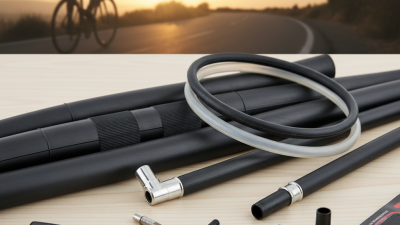
Top Tips for Choosing Butyl Inner Tubes for Your Needs?
When it comes to selecting the right butyl inner tube, decisions can be overwhelming. These components play a crucial role in your bike’s performance, comfort, and safety. Butyl inner tubes are known for their durability and air retention. They are widely regarded as a reliable choice for both casual and competitive cyclists. However, not all butyl inner tubes are created equal.
Understanding your specific needs is essential. Consider factors such as tire size and intended use. Some tubes are designed for road bikes, while others suit mountain biking. Though butyl inner tubes are generally robust, they can vary in quality. Exploring product reviews and manufacturer information can provide insights. Seeking advice from fellow cyclists or local bike shops can also help you make an informed choice.
In this guide, we will delve into practical tips for selecting butyl inner tubes. Every detail matters, from valve type to thickness. Reflecting on your personal cycling habits can reveal what you truly need. Whether you ride for leisure or competition, finding the right butyl inner tube can enhance your cycling experience.
Understanding Butyl Inner Tubes: Properties and Benefits
Understanding butyl inner tubes starts with their unique properties. They are known for excellent air retention. This means fewer punctures and longer-lasting performance. Butyl rubber is also resistant to UV light and ozone. This durability helps maintain inner tube integrity under various conditions.
Consider the benefits of using butyl inner tubes for your cycling needs. They provide a comfortable ride, absorbing shocks well on rough terrain. Butyl tubes are also lighter than their latex counterparts, which can improve performance. However, they may not be as forgiving when it comes to stretching, making size accuracy crucial.
Choosing the right butyl inner tube is about understanding your requirements. Think about your cycling style and the terrain. Weight may matter if speed is your goal. However, for casual rides, durability and comfort might take precedence. Finding the right balance between these factors can improve your cycling experience.
Key Factors to Consider When Choosing Butyl Inner Tubes
When selecting butyl inner tubes, consider several key factors to ensure you make the best choice. First, the size of the inner tube must match the diameter and width of your tire. An improper fit can lead to blowouts or operational issues. Check your tire for manufacturer's specifications. If you're unsure, measuring the tire can help clarify.
Next, think about the tube's thickness. Thicker tubes generally offer better puncture resistance. However, they can also add weight. For racing or high-performance applications, a thinner tube may provide better speed and agility, but it comes with increased risk. Evaluate your riding style and conditions to strike a balance that suits you.
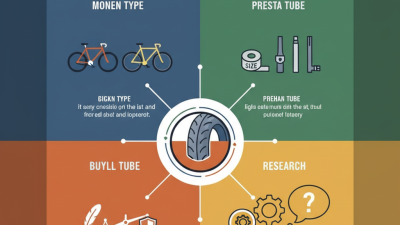
Finally, consider the valve type. Presta and Schrader valves serve different needs. Presta valves are lighter and more suited for high-pressure tires, while Schrader valves are more common and easier to inflate. Reflecting on your usage can aid this decision. The right choice ensures reliability and enhances your cycling experience.
Top Tips for Choosing Butyl Inner Tubes for Your Needs
| Factor |
Description |
Recommended Size |
Pressure Rating (psi) |
| Material Quality |
Ensure inner tubes are made from high-quality butyl rubber for better durability. |
700c |
60-100 |
| Compatibility |
Choose tubes that match your tire size and type (e.g., road, MTB). |
26" x 1.95" |
30-65 |
| Puncture Resistance |
Look for inner tubes that offer enhanced puncture resistance. |
29" x 2.2" |
40-60 |
| Valve Type |
Select between Schrader and Presta valves based on your rim type. |
700c |
70-110 |
| Weight |
Consider the weight of the tube, as lighter tubes can improve performance. |
26" x 2.0" |
35-50 |
Comparing Butyl Inner Tubes with Alternative Materials
When comparing butyl inner tubes with alternative materials, it's important to understand their unique characteristics. Butyl tubes are known for their excellent air retention. This means less frequent inflation and a more reliable performance. In contrast, latex tubes offer lower rolling resistance but require more maintenance. If minimizing repairs is your priority, butyl might be the better choice.
Consider the environment where you ride. Butyl tubes perform well in various conditions, proving dependable on both smooth roads and rough terrain. While they may not be as lightweight as some alternatives, their durability compensates for this. Think about the trade-offs: heavier tubes can mean added stability.
Before making a choice, explore the thickness of the butyl inner tubes. Thicker tubes provide more puncture resistance, ideal for off-road cycling. However, thinner tubes may be lighter and offer better speed on smooth surfaces. It’s essential to weigh your priorities: speed versus durability can significantly influence your cycling experience. Choose wisely to meet your biking needs effectively.
Sizing and Compatibility: How to Select the Right Inner Tube
When selecting butyl inner tubes, sizing and compatibility are key factors. Each inner tube fits specific tire sizes, denoted by numbers that you can find on your tire’s sidewall. Ensure you match these sizes correctly. A tube that is too small will not inflate, while one that is too large may not seat correctly in the tire. Understanding these details is crucial for a smooth ride.
Consider the valve type as well. There are different types, such as Schrader and Presta valves. Ensure your rim accommodates the valve you select. Some cyclists overlook this detail, only to find themselves with incompatible tubes. This oversight can lead to frustration during rides.
Checking the width range is also important. A tube’s width should fall within the recommended range for your tire. If it’s too wide or too narrow, it can lead to performance issues. Pay attention to the recommended measurements from manufacturers. Sometimes, opting for a slightly narrower tube can enhance speed, but make sure it doesn’t compromise safety.
Maintenance Tips for Prolonging the Life of Butyl Inner Tubes
Maintaining butyl inner tubes is essential for their longevity. Regular checks for air pressure are vital. A properly inflated tube reduces the risk of punctures and wear. Aim to check the pressure before each ride. Over-inflation can be just as damaging. It can cause blowouts. Keep a reliable gauge handy.
Cleaning is another important aspect of maintenance. Debris can cause degradation over time. Wipe down your tubes after each use. Use a soft cloth and mild soap. Pay attention to the valve area. This is where dirt accumulates quickly. Even minor neglect can lead to bigger issues later.
Storage matters. Don’t leave them in extreme temperatures. Heat can weaken the rubber, while cold can make it brittle. Ideally, keep them in a cool, dry place. Avoid direct sunlight. These details often seem small, but they significantly impact tube lifespan. Periodically inspect for cracks or signs of wear. A keen eye can catch potential problems early. Taking these steps builds a more reliable riding experience.
Top Tips for Choosing Butyl Inner Tubes and Maintenance Tips