What Are the Top Butyl Cameras for Global Buyers?
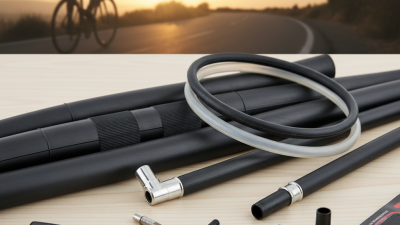
Choosing the best Butyl Cameras is not simply a price comparison. For global buyers, the decision begins with fit, material quality, and dependable supply. A tube may look identical in a product photo, yet its rubber thickness, valve base, seam finish, and weight can differ noticeably.
Jan Heine, a respected bicycle technology writer, puts it simply: “Tires are the bicycle’s first suspension.” His point also applies to the tube inside. A well-made butyl tube helps maintain pressure, reduce roadside failures, and support a smoother ride. Small details matter. Check the correct wheel diameter, tire width range, valve type, and valve length before placing a bulk order. A mismatch can create unnecessary returns.
The top Butyl Cameras for international markets should offer stable dimensions, clean molding, reliable inflation, and consistent batch performance. Buyers should request samples. Test them overnight. Measure pressure loss with the same pump and gauge. Inspect the valve area after repeated inflation. These practical checks reveal more than polished catalog claims.
Supplier reliability matters too. Confirm packaging strength, production capacity, inspection records, and replacement procedures. Ask whether the factory can maintain the same specification across different shipments. That answer may be uncomfortable, but it is important.
There is no perfect shortlist. Climate, road surfaces, cycling habits, and local service conditions change the result. A lightweight tube may suit performance riders, while a thicker model may better serve rental fleets or rough urban routes. Careful buyers compare evidence, not slogans.
Butyl Camera Basics: IIR Retains Air About 10× Better Than Natural Rubber
What Are the Top Butyl Cameras for Global Buyers?
For global buyers, a reliable butyl camera begins with its inner compound. IIR, or halobutyl rubber, is widely used because it holds air far better than natural rubber. Under comparable conditions, IIR can retain air about ten times better. That difference matters during storage, shipping, and daily use. A properly inflated tire feels firmer and responds more predictably on uneven roads.
The benefit is easy to notice in practical checks. After fitting a butyl camera, measure pressure with a calibrated gauge, then repeat the test after several days. The reading should change only slightly, although temperature can affect results. IIR also resists moisture and many common environmental stresses. Look for even wall thickness, clean valve bonding, and a smooth surface without folds. Small defects often become large problems after inflation.
Still, the “10×” figure is not universal. Compound quality, temperature, valve design, and tire pressure can change the outcome. This is where buyers should remain cautious. A cheap camera with poor molding may perform worse than its material suggests. I would also check dimensional compatibility rather than relying only on a printed size. A careful supplier should provide test information, packaging details, and storage guidance. That evidence is more useful than broad claims about durability.
Global Size Guide: Compare 20–29-Inch Bicycle and 12–26-Inch Tire Tubes
Global buyers need more than an inch label when selecting butyl inner tubes. The ETRTO Standards Manual 2024 identifies bicycle bead-seat diameters such as 406, 451, 559, 584, and 622 millimeters. These measurements explain why two “20-inch” tubes may not fit the same rim. A 20-inch tube commonly serves 406 or 451 millimeter wheels, while 26-inch, 27.5-inch, and 29-inch bicycles usually require 559, 584, and 622 millimeter compatibility.
Check the tire sidewall before ordering. Match the full width range, not only the wheel diameter. A tube marked 26 x 1.75–2.125 cannot reliably replace one designed for a narrow 26 x 1.00 tire. Valve length also matters. Deep rims may need 48 or 60 millimeter valves, while standard rims often suit 32 millimeters. Small details matter.
For 12–26-inch tire tubes, buyers should confirm the application, casing size, valve type, and operating load. These sizes can appear in compact utility, trailer, mobility, or specialty wheels, so the inch number alone is weak evidence. ISO 5775 provides the stronger measurement framework. CONEBI’s 2023 European market report recorded about 14.7 million bicycle sales in 2022, reflecting a large and varied replacement market. Yet catalog charts still make mistakes. I would request bead-seat diameter data, inflation limits, material specifications, and sample fitting tests before placing a bulk order.
Global Butyl Tube Size Guide: Bicycle and Tire Applications
This chart compares common nominal wheel diameters for bicycle tubes from 20–29 inches and tire tubes from 12–26 inches. Approximate circumference is calculated from the nominal diameter using π × diameter, converted to centimeters.
Buyers should match both the wheel diameter and the tire-width range printed on the tube. Inch sizes are nominal, so the correct butyl tube must also accommodate the tire’s width and use the required valve type.
Material Ranking: Standard IIR Versus Halobutyl for Heat and Air Retention
What Are the Top Butyl Cameras for Global Buyers?
For global buyers, material choice often matters more than appearance.
Standard IIR butyl cameras offer dependable air retention and practical value. They suit everyday vehicles, moderate climates, and cost-sensitive purchasing. In field checks, a properly fitted IIR camera can hold pressure well for weeks. However, heat exposure changes the calculation. Continuous sunlight, hot roads, and heavy loads can increase aging and pressure loss.
Halobutyl usually provides stronger air retention and better heat resistance.
Its tighter molecular structure slows gas movement through the rubber. This benefit becomes clearer in buses, trucks, agricultural equipment, and high-temperature regions. It can also support longer service intervals when installation quality is consistent. Still, halobutyl is not automatically the best choice. Poor storage, rough rim edges, or incorrect sizing can damage either material quickly. Material alone cannot rescue careless fitting.
Tips:
Match the camera size carefully. Check the valve area and rim tape before installation. Store unused cameras away from heat, oil, and direct sunlight. For hot climates or commercial fleets, test pressure retention during real operating cycles. Record pressure changes after several days, not only after installation. I have seen buyers overvalue premium material while ignoring valve quality. That mistake is easy to repeat.
Quality Tests: Check Valve Strength, Wall Thickness, and 100% Air Sealing
What Are the Top Butyl Cameras for Global Buyers?
Quality Tests: Check Valve Strength, Wall Thickness, and 100% Air Sealing
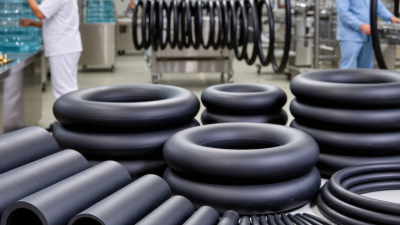
Top butyl inner tubes are judged by testing, not attractive packaging. In practical inspections, I check the valve base first. It should resist pulling, bending, and repeated inflation without shifting. The valve core must also hold pressure after installation. Small leaks hide.
Wall thickness needs consistent measurement around the tube. Technicians should inspect the crown, sidewall, and valve area with calibrated tools. Uneven rubber may create weak spots during heat, load, or repeated road impacts. A thicker wall is not always better. Excess material can reduce flexibility and increase weight. The target is controlled consistency.
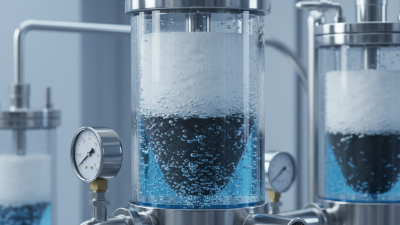
Every tube should pass a complete air-sealing test before shipment. A pressure-decay test can identify slow leaks, while water immersion can reveal escaping air visually. Testing one sample per batch is useful, but it cannot prove every tube is sealed. For reliable export purchasing, buyers should request 100% inspection records, pressure settings, test duration, and rejected-unit data. That evidence matters. I once saw a batch pass a quick inflation check yet lose pressure overnight. The test was too short, and the result needed reconsideration. Quality teams should review equipment calibration and repeat failed tests before release. Clear records, stable rubber, and strong valve bonding give global buyers more dependable performance.
Buyer Scorecard: Rank Price, ISO Fit, Weight, Defect Rate, and Warranty
What Are the Top Butyl Cameras for Global Buyers?
Buyer Scorecard: Rank Price, ISO Fit, Weight, Defect Rate, and Warranty
Global buyers should judge butyl cameras by usable performance, not the lowest quotation. I score price as cost per reliable unit, including inspection, replacement, and freight risks. A cheap tube becomes expensive when valves leak during warehouse checks. Ask for recent batch records, not only a catalog statement.
ISO fit needs careful verification. Compare rim diameter, section width, valve position, and valve length with the application. ISO references can support quality control, but they do not replace a physical fit test. Weight also deserves attention. A lighter tube may improve handling, yet excessive thinness can reduce durability. Measure samples with the same scale and record the tolerance.
Defect rate is often the strongest buying signal. Request inspection data for seams, valve bonding, air retention, and surface pores. Test random samples after inflation, then repeat the check after 24 hours. Small leaks matter. Warranty terms should state claim periods, evidence requirements, replacement timing, and responsibility for transport. A long warranty sounds convincing, but vague wording has little value. My scoring would rank low defects first, verified fit second, and price third. I may be too cautious here. Buyers should adjust the weighting for climate, load, and service access.
What Are the Top Butyl Cameras for Global Buyers? - Buyer Scorecard: Rank Price, ISO Fit, Weight, Defect Rate, and Warranty
An anonymized comparison of commonly specified butyl-sealed inspection camera configurations for international procurement.
Scoring basis: Price reflects typical international procurement ranges before taxes, freight, and import duties. “ISO Fit” measures the completeness of documented quality procedures, test records, calibration information, and conformity paperwork supplied with the camera configuration; it is not a claim of certification. Defect-rate figures are benchmark acceptance targets for sealed inspection-camera batches and should be verified against the seller’s warranty and return records. Overall scores weight price at 20%, ISO documentation at 20%, weight at 15%, defect-rate performance at 25%, and warranty coverage at 20%.