Top 10 Butyl Inner Tubes for Global Buyers in 2026?
The global demand for butyl inner tubes has seen a steady rise, driven by their excellent air retention and durability. According to a recent industry report, the global inner tube market is expected to grow at a CAGR of 4.5% through 2026. Butyl inner tubes, known for their superior quality, are pivotal in sectors ranging from automotive to cycling.
However, the market faces challenges, including fluctuating raw material prices and increasing competition from alternative materials. Manufacturers are urged to innovate continuously and address these issues to maintain market share. Some products lack robustness and fail under extreme conditions, highlighting the need for thorough quality control.
As we explore the top ten butyl inner tubes available for global buyers in 2026, it is essential to focus on performance metrics and user experiences. This thorough research will help identify reliable products while acknowledging the areas requiring improvement.
Overview of Butyl Inner Tubes and Their Benefits
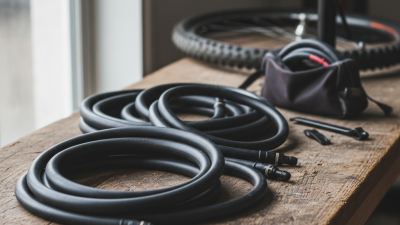
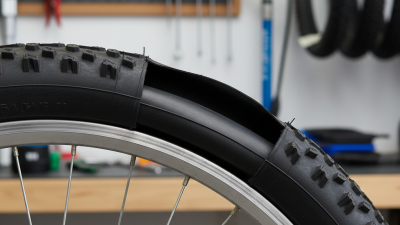
Butyl inner tubes are essential components in tire manufacturing and maintenance. They are widely used in bicycles, motorcycles, and automotive applications due to their superior air retention properties. According to a recent industry report, butyl rubber tubes provide up to 30% better air retention than natural rubber tubes. This property not only enhances the performance of vehicles but also reduces the frequency of replacements, making them a cost-effective choice.
The production of butyl inner tubes involves a specialized process that ensures durability and flexibility. These tubes are resistant to oxidation and aging, which makes them ideal for long-term use. A study indicated that butyl inner tubes have a lifespan extending to over five years under normal conditions. Despite their advantages, the manufacturing process can be complex and costly. This complexity may impact the pricing available in many markets, with a focus often needed on sustainability in sourcing materials.
Another aspect to consider is the environmental impact. While butyl tubes are more durable, their production can sometimes produce more waste compared to alternatives. The industry is evolving, aiming for more sustainable practices, including recycling efforts for used tubes. Continuous innovation is vital, as consumers increasingly demand greener options. Balancing performance and environmental responsibility remains a critical challenge for manufacturers in the butyl inner tube market.
Key Players in the Global Butyl Inner Tube Market in 2026
The global butyl inner tube market is witnessing significant growth, driven by various industry players. In 2026, key manufacturers are expected to dominate the landscape, responding to increasing demands for quality and durability. According to recent industry reports, the butyl inner tube's market size is projected to surpass $4 billion by 2026, fueled by its superior air retention properties.
Innovation among key players is crucial. Many companies focus on improving the formulation of butyl rubber, emphasizing better performance under various temperatures. This attention to material science drives competitive advantages. Reports indicate that global production capacity is expected to grow by 15% in the next few years. Yet, companies face challenges in balancing quality with cost-efficiency. This struggle is essential for maintaining market relevance.
Collaboration is another trend among key players. Strategic partnerships with tire manufacturers can enhance distribution channels. However, maintaining consistent quality across different regions remains a critical issue. Industry experts note that poorly manufactured tubes can lead to safety risks, reminding companies to prioritize reliability in their production processes. Addressing these issues is vital for sustaining growth in a competitive environment.
Top Features to Consider When Choosing Butyl Inner Tubes
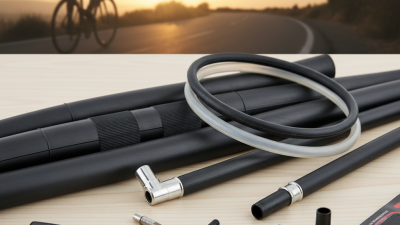
When selecting butyl inner tubes, buyers should prioritize durability and air retention. Butyl rubber is known for its excellent sealing properties. According to industry research, quality butyl tubes can retain air better than natural rubber tubes, leading to fewer refills. This feature is essential, especially for long-distance cycling enthusiasts who rely on consistent tire pressure.
Additionally, consider the weight and flexibility of the tube. A lighter tube can enhance performance, while specific formulations of butyl rubber allow for increased elasticity. Data indicates that a tube with better flexibility can withstand high pressure without sacrificing integrity. Buyers should look for tubes that can support a high-pressure range, typically between 30 to 120 PSI, depending on the intended use.
Investing in reliable butyl inner tubes can lead to a smoother ride. However, not all products are created equal. It is notable that production inconsistencies can affect performance. Some tubes might be prone to punctures or reduce their lifespan quickly. Choosing a tube that has been thoroughly tested and reviewed can mitigate these risks.
Comparative Analysis of Leading Butyl Inner Tube Brands
The market for butyl inner tubes is expected to grow significantly in 2026, driven by the increasing demand for durable and high-performance tires. A recent industry report indicates that butyl inner tubes hold a substantial market share of approximately 67% in the global inner tube industry. What sets them apart is their excellent air retention capabilities and resistance to environmental factors.
When evaluating inner tube brands, consider the materials used. High-quality butyl compounds provide better elasticity and longer lifespan. Notably, some manufacturers invest in advanced production techniques that enhance performance metrics, such as puncture resistance and overall durability. However, not all brands maintain the same level of quality control, leading to inconsistencies in product performance. Buyers should be cautious about purchasing from brands that lack transparent testing data.
Regular maintenance is crucial. Inspect inner tubes for wear and tear before rides. Always check air pressure as well. A well-maintained inner tube can significantly extend the lifespan and improve safety. Some data suggests that improperly inflated tubes can increase the risk of blowouts by up to 40%. Reflecting on these details can help buyers make informed choices while navigating the available options in the market.
Top 10 Butyl Inner Tubes for Global Buyers in 2026
| Tube Size |
Valve Type |
Weight (g) |
Pressure Rating (psi) |
Durability (hours) |
Price Range (USD) |
| 26 x 1.95 |
Schrader |
300 |
60 |
100 |
8 - 12 |
| 27.5 x 2.4 |
Presta |
350 |
50 |
120 |
10 - 15 |
| 29 x 2.5 |
Schrader |
400 |
55 |
110 |
12 - 18 |
| 24 x 1.75 |
Presta |
250 |
70 |
90 |
7 - 10 |
| 20 x 1.95 |
Schrader |
220 |
80 |
85 |
6 - 9 |
| 26 x 2.1 |
Presta |
290 |
65 |
95 |
8 - 12 |
| 27 x 1.75 |
Schrader |
320 |
75 |
100 |
9 - 13 |
| 28 x 2.0 |
Presta |
280 |
50 |
80 |
7 - 11 |
| 29 x 2.3 |
Schrader |
390 |
65 |
115 |
11 - 16 |
| 25 x 1.9 |
Presta |
330 |
70 |
90 |
9 - 14 |
Future Trends in the Butyl Inner Tube Industry for Global Buyers
The butyl inner tube industry is evolving rapidly. Several trends are emerging for global buyers by 2026. A significant shift is towards sustainable production practices. Manufacturers are increasingly focusing on eco-friendly materials and processes. This change appeals to environmentally conscious consumers.
Technological advancements are also crucial. Innovations in manufacturing can enhance durability and reduce production costs. Buyers may find the new materials more resistant to punctures and wear. However, understanding the manufacturing process is essential. Transparency is vital in evaluating product quality.
For global buyers, staying informed about market trends is key. Monitor changes in regulations and consumer preferences. Researching suppliers who prioritize sustainability can provide a competitive edge. Ensure you consider the long-term performance of butyl tubes. Always evaluate multiple options before making a decision. Explore the market continuously to identify potential improvements.